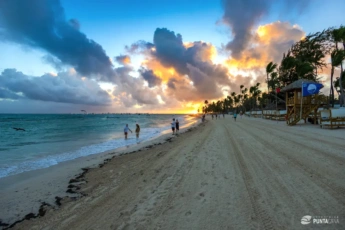


Top 15 Unforgettable Sunset Spots in the Dominican Republic – Full Guide for 2026
The Dominican Republic is more than just white beaches and azure waters. It welcomed over 11.7 million visitors in 2025 – 10% more compared to last year. And more and more of them seek experiential experiences they can feel, live, and capture. For instance, sunset spots that can create unforgettable memories and upgrade their travel itinerary in the Dominican Republic.
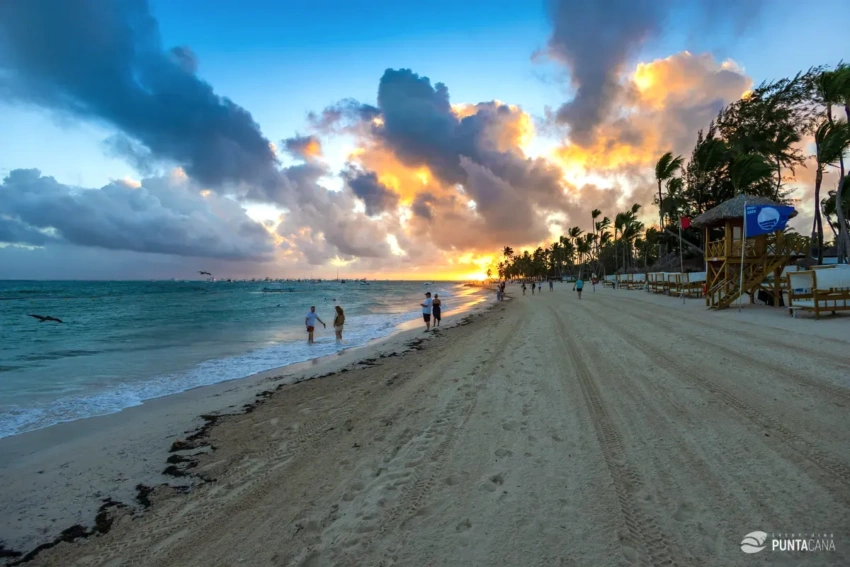
Punta Cana has the best sunset spots in the Dominican Republic
Meteorology and the “Golden Hour” of Sunsets
in the Dominican Republic
Sunset isn’t just the sun setting below the horizon. It’s a complex physical process. The quality of light is determined by the “golden hour” – the period from an hour before to immediately after sunset. During this time, rays pass through dense layers of the atmosphere, scattering the blue spectrum, and the sky takes on warm yellow, orange, and red tones. The light softens, eliminating harsh shadows, making this time ideal for portraits.
When to expect sunset in the Dominican Republic?
Sunset times in the DR vary depending on the season. Here are approximate times for the capital, Santo Domingo:
Santo Domingo sunrise and sunset times by month
| Month | Dawn | Dusk | Daylight hours |
|---|---|---|---|
| January | 07:13 | 18:24 | 11 hours 11 mins |
| March | 06:46 | 18:50 | 12 hours 04 mins |
| June | 06:02 | 19:18 | 13 hours 16 mins |
| October | 06:32 | 18:18 | 11 hours 46 mins |
| December | 07:03 | 18:07 | 11 hours 04 mins |
Interesting fact: on the northern coast (for example, in Puerto Plata), the sun sets 2-3 minutes later than in the capital.
Dry Vs. rainy season in the DR
- Dry season (December-April). The sky is almost always cloudless. This creates a clear, even horizon – perfect for classic “sun falling into the sea” photos.
- Rainy season (May-November). Don’t be afraid of it! Brief showers leave behind complex clouds. These reflect the light, creating incredible explosions of purple, pink, and deep orange in the sky. These are the most picturesque sunsets you’ll ever see!
And immediately after sunset comes the “blue hour” – a brief moment when the sky turns a deep cobalt blue, and the first lights on the ground appear.
Top 15 Sunset Spots in the Dominican Republic & Location Guide
The DR is vast, and each province offers a completely different visual experience: some boast the urban chic of the capital, while others offer the pristine tranquility of uninhabited islands.
To help you navigate the wide variety of options and choose the perfect one for your itinerary, we’ve prepared a visual cheat sheet. This table includes all 15 locations, considering their accessibility and key features:
Short summary of 15 sunset locations in the DR
| Location | Main points | Difficulties in getting to the spot | Best time or season |
|---|---|---|---|
| Bahía de las Águilas | Pristine white sand, turtle nesting, and an unobstructed horizon. | 6h drive from the capital; boat or 4WD required. | Dry season (Dec-Apr) for maximum clarity. |
| Montaña Redonda (Miches) | Famous swings “above the abyss” and 360° views of lagoons and the ocean. | 1.5h from Punta Cana; ascent by safari truck. | Year-round; best on clear days for photos. |
| Altos de Chavón (La Romana) | 16th-century Mediterranean village replica overlooking the Chavón River. | Located within the Casa de Campo resort. | Year-round; magical during the “golden hour.” |
| Bávaro Beach (Punta Cana) | Grand reflections of sunset colors in the clouds over the Atlantic. | Main tourism hub in the east. | Year-round; sunset catamaran cruises are popular. |
| El Morro (Monte Cristi) | Iconic “Sleeping Camel” cliff and sunset directly into the ocean. | North-west region; extreme winds on the summit. | Year-round; tripod recommended due to wind. |
| Cayo Levantado (Samaná) | Peace and solitude on “Bacardi Island” after day excursions depart. | Accessible only by boat. | Jan-Mar: humpback whales can be seen against the sunset. |
| Teleférico (Puerto Plata) | Panoramic city views from 800m near the Christ the Redeemer statue. | 10-minute cable car ride. | Clear skies needed as the summit is often cloudy. |
| Playa Frontón (Samaná) | Wild beach nestled between a coral reef and a 90m vertical cliff. | Boat from Las Galeras or a 2h jungle trek. | Early shade as the sun hides behind the cliff. |
| Pico Duarte (Cordillera Central) | Sunset above a “sea of clouds” from the highest peak in the Caribbean. | 2-3 days trek with official guides. | Very cold at night; guides required. |
| Playa Dominicus (Bayahibe) | Iconic lighthouse bar and local fishing boats return at dusk. | Blue Flag certified beach; family-friendly. | Year-round; perfect for fresh lobster dinners. |
| Saona Island (National Park) | Transcendental quiet on empty beaches after 5:00 PM. | Stay overnight in Mano Juan for the best experience. | Year-round; avoid mass tourism peak hours. |
| San Rafael (Barahona) | Mountain rivers cascading into the sea and surfers against the red sky. | Pebble beach located along Highway #44. | Year-round; excellent viewpoints for panoramic photos. |
| Las Terrenas (Samaná) | Cosmopolitan vibe, European gastronomy, and sunset kayaking. | Well-developed urban infrastructure. | Year-round; beach bars are popular for “sundowners.” |
| Laguna Dudú (Río San Juan) | Mystic light in a 75ft-deep freshwater cenote amid lush greenery. | Organized park with zip lines. | Visit after 4:00 PM when crowds disappear. |
| Malecón (Santo Domingo) | Urban symphony of ancient forts, modern skyscrapers, and bachata rhythms. | Main coastal promenade of the capital. | Best for authentic urban Dominican culture. |
Hidden Sunset Spots in the Dominican Republic
for Wildlife Lovers
Instead of spending their entire vacation at gated all-inclusive resorts, tourists are increasingly opting for eco-tourism and experiential tourism. They look for more than just service; they seek unique visual experiences in geographically significant locations. This part is dedicated to those willing to travel the extra hundred kilometers to experience a pristine dusk – where nature dictates its own rules and the horizon isn’t limited by hotel rooftops.
1. Bay of Eagles (Bahía de las Águilas) – the edge of the world and pristine purity
Undoubtedly, Bahía de las Águilas is officially considered one of the most breathtaking beaches in the entire Caribbean. And due to the lack of light pollution, it ranks among the absolute most pristine sunset spots in the Dominican Republic. It’s an 8-kilometer arc of dazzling white sand, surrounded by a rocky karst landscape and crystal-clear turquoise water.
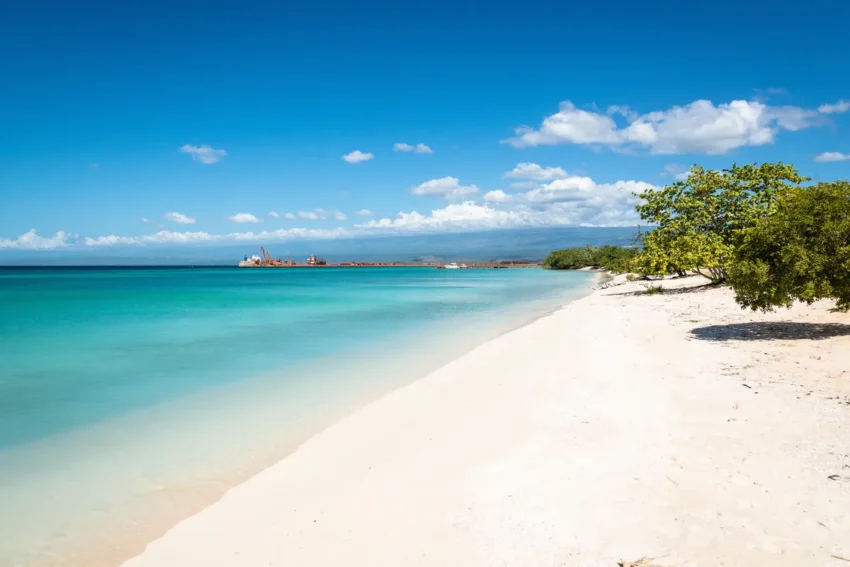
Bahía de las Águilas Beach
How to get there and where to stay
The logistics here are part of the adventure. The beach is located significantly away from the usual tourist areas: the drive from Santo Domingo (approximately 312 km) takes approximately 5 hours and 50 minutes.
- Bahía de las Águilas is part of Jaragua National Park. Any major construction is strictly prohibited here, so you won’t find any hotels or shops on the shore.
- Transportation. The beach itself can be reached either by 4WD vehicle along a challenging dirt road or by boat from Cabo Rojo.
- Accommodation. The only way to enjoy the evening here is at a glamping site (for example, EcoLodge Cueva De Las Aguilas or Eco del Mar in Cabo Rojo), where you can dine on fresh seafood right on the sand.
Sunset peculiarities
Because of its remoteness from cities, there is no light pollution here, making sunsets absolutely clear. You can watch the fiery disk plunge unimpeded into the sea.
In fact, this place is critically important for nature – the beaches of Jaraguá Park are home to nesting rare species of sea turtles: leatherback, green, and hawksbill.
2. Playa Frontón, Samaná
This is one of the most remote and stunning wild beaches in the Dominican Republic, which gained international fame after its scenery was used in the filming of the reality show “Survivor.”
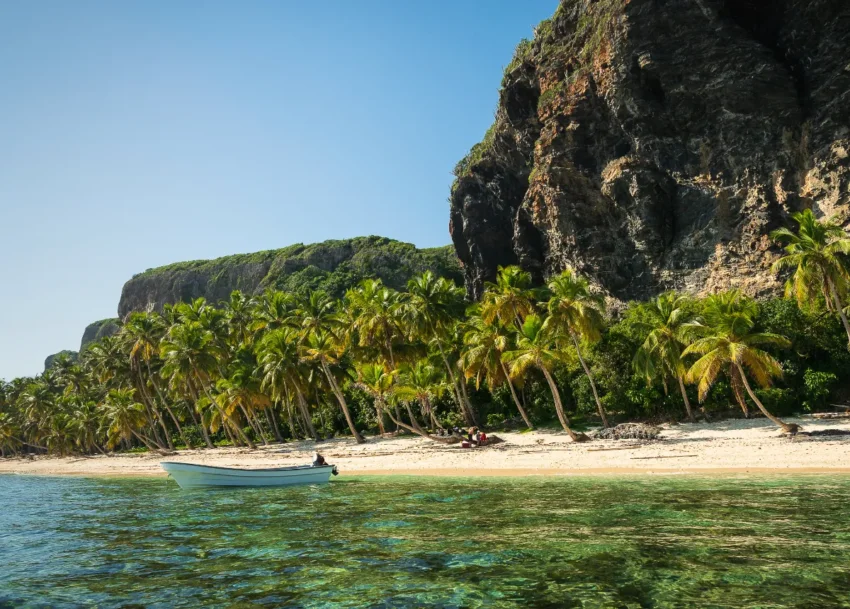
Playa Fronton in the Dominican Republic is worth visiting for its stunning sunset spots
- How to get there. The beach is located far from roads. You can either charter a boat for the 20-minute boat ride from the village of Las Galeras (the waves are often rough) or undertake a challenging two-hour hike through dense jungle.
- The uniqueness of this place lies in its geological structure. A white strip of sand is sandwiched between coral reefs and a massive vertical cliff 90 meters high. Because of this cliff, the sun disappears behind it long before sunset, plunging the beach into deep, cool shade.
- The magic of the moment. A dramatic contrast is created: tourists are tucked away in the semi-darkness beneath the palm trees, while the sea before them continues to sparkle and change colors from gold to purple in the rays of the invisible setting sun. It’s the perfect spot for complete solitude.
3. El Morro: A History of Pirates and the “Sleeping Camel”
The province of Monte Cristi in the northwest of the country is radically different from El Morro town. It enjoys an arid climate, and the landscape is crowned by the El Morro cliff, a 242-meter-high mountain nicknamed the “Sleeping Camel” for its distinctive shape.
Historical background
The town was founded in 1506, and in the 17th century, its harbor became a haven for pirates and smugglers.
The famous Dutch ship Pipe Wreck (mid-17th century) rests off the coast of Monte Cristi. About 10,000 clay smoking pipes were found among its cargo.
What about the sunset here?
At the foot of the cliff is a beach with reddish sand.
- Be ready for winds – at the cliff top, they can reach 20-30 mph.
- The sun sets directly into the ocean, painting the sky intense pinks and oranges against the powerful silhouette of El Morro and the mangrove forests.
4. San Rafael and Los Patos, Barahona Province
Barahona Province, often called the “Pearl of the South,” offers landscapes that are radically different from classic Dominican beaches. This region remains untouched by mass tourism, giving it a charm.
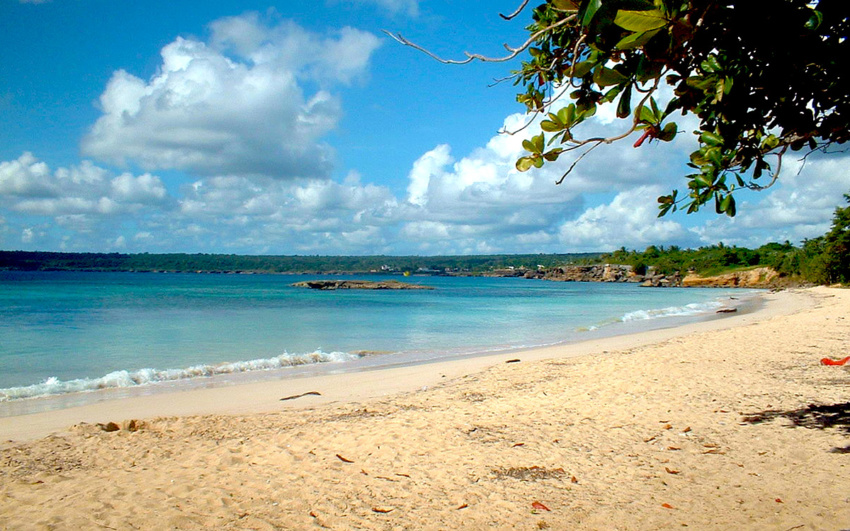
San Rafael beach views, an untouched sunset spot in the Dominican Republic
- Geography. The main feature of the coastline is the stark contrast between high, jungle-covered mountains and the turbulent Caribbean Sea. The beaches of San Rafael and Los Patos are unique in that fresh, cold mountain rivers cascade directly into the sea. The shore is strewn with smooth white pebbles.
- A special feature of sunsets. Powerful waves attract surfers, whose silhouettes against the setting sun create stunning shots. One of the best spots is the San Rafael viewpoint, right on coastal Highway 44. In general, tourists here stay at local eco-camps, where in the evenings they light fires right on the pebble beach to the sound of the surf.
5. Playa Grande and Laguna Dudú, Rio San Juan
Río San Juan is located on the rugged northern Atlantic coast. Tourism has only recently developed here, so the region has retained the authentic atmosphere of a true fishing village.
- Experienced travelers recommend visiting the 75-foot-deep Laguna Dudú karst cenote and the secret Cueva de las Aves cave. The twilight light filtering through the dense foliage into the cenote’s basin creates a mystical atmosphere.
- After a swim in the lagoon, move to the wide Playa Grande. The setting sun casts long golden shadows from the sea grape groves directly onto the raging Atlantic surf.
Classic Caribbean – Comfortable Sunset
Spots in the Dominican Republic
The Dominican Republic offers locations where the beauty of sunsets combines with developed infrastructure. These are the most popular destinations, generating billions of dollars annually. Here, you don’t need to trek through the jungle – just book a table at a restaurant or step out onto your hotel terrace to witness a visual masterpiece.
6. Bávaro Beach and Cap Cana Marina – the aesthetics of luxury
Punta Cana is the most popular destination (accounting for 59% of all air tourists), and although this coastline is traditionally famous for its dusks, its dawns are no less spectacular. And Cap Cana marina, which is located in this region, remains one of the most luxurious sunset spots in the Dominican Republic.
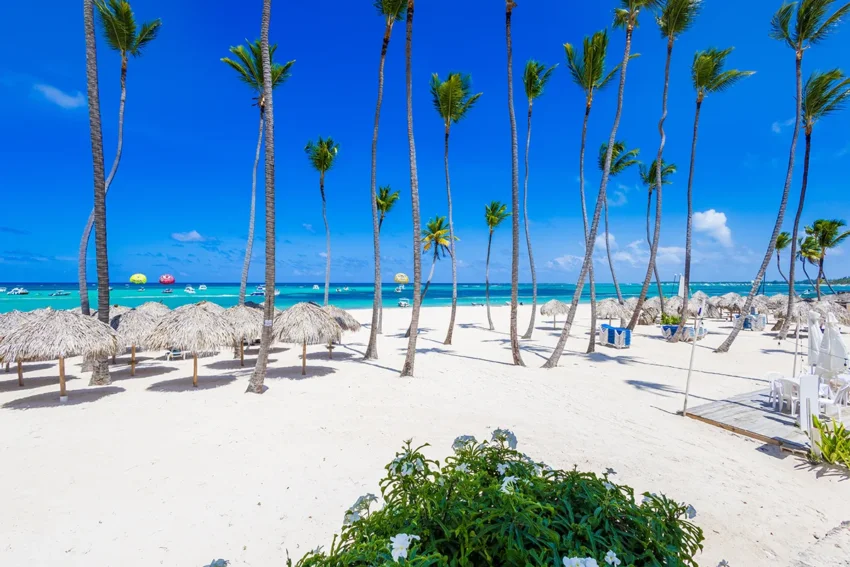
Bavaro Beach views in Punta Cana
Sunset in Bávaro
At the famous Bávaro Beach, the sun sets behind you as you look out over the ocean. You’re not seeing the sun itself, but a magnificent reflection of colors in the clouds over the Caribbean Sea and the Atlantic. The sky becomes a giant canvas, with hues ranging from soft pink to deep purple.
Alternatives in the region
- Cap Cana Marina. If you’re looking for a different aesthetic, head to the marina. The forest of masts of luxury yachts against the sunset sky makes for high-contrast silhouette shots.
- Boat cruises. Sunset catamaran cruises are very popular, offering a chance to enjoy the golden light away from the bustle of the coast.
Luxury villas and real estate in Cap Cana
Cap Cana is a prestigious area located just south of Punta Cana. It’s known for its luxurious villas, pristine beaches, and eco-tourism experiences. With its high-end real estate, Cap Cana is designed for those who want a more private and refined vacation experience.
-

Exclusive Ocean View 5-Star Cap Cana Villa for Rent – Chef, Butler, Maid & Golf Cart
from $3240 / night View Details -
Spacious 3BR Condo in a Quiet Secure Cap Cana Residence – Private Pool, Large Terrace, Prime Marina Location
from $440 / night View Details -
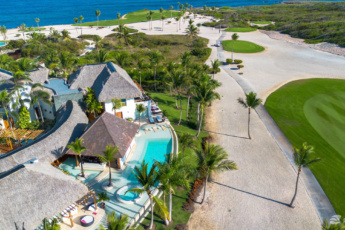
Villa Agapi (Caleton Estates 57) – The Most Beautiful Ocean View Villa in Cap Cana
from $2145 / night View Details -
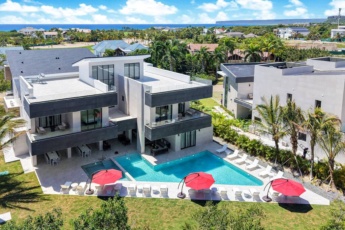
Newly Built Private 3-Villa Estate in Cap Cana for Up to 48 Guests with Full Staff, 3 Pools and 6 Golf Carts
from $12480 / night View Details -
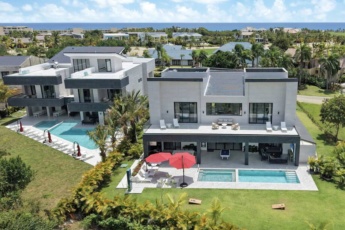
Brand New Luxury Twin Villa Estate in Cap Cana for Up to 32 Guests with 2 Private Pools, Private Chef, Full Staff and 4 Golf Carts
from $5741 / night View Details -
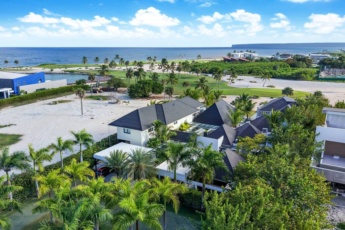
Luxury Cap Cana Villa with Private Pool, Jacuzzi, Mini Golf, Staff & Golf Cart
from $3744 / night View Details
7. Saona Island, Cotubanamá National Park
Saona Island is an absolute hit. It accounts for 45% of all visits to the country’s protected natural areas, attracting over 1 million visitors annually. Its incredible cinematic beauty made it an ideal filming location – for “Pirates of the Caribbean” and “The Blue Lagoon” were shot here. Moreover, we can proudly put it into the list of the most romantic and tranquil spots to meet sunset in the whole Dominican Republic.
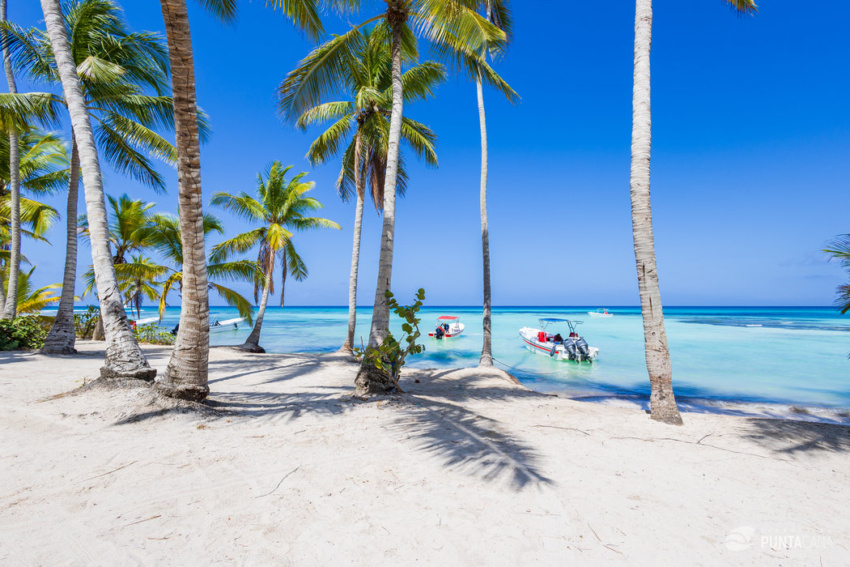
Quiet beach on Saona Island, a peaceful sunset spot in the Dominican Republic
The specifics of sunset and the secret of solitude
Saona’s main challenge is its crowds. During the day, there are lots of tourists arriving from huge catamarans. The secret to a perfect sunset lies in proper planning. Booking a private speedboat tour or staying overnight in the authentic fishing village of Mano Juan will radically change the experience.
What’s the magic of the moment? As evening approaches, most of the boats return to the mainland, and the island empties. A serene silence descends, broken only by the sound of waves and the rustling of palm trees. Watching the sun slowly sink into the crystal-clear sea on a deserted beach is a truly transcendental experience.
8. Cayo Levantado / Bacardí Island, Samaná
Cayo Levantado is a tiny coral islet, approximately one square kilometer in size, located in the sheltered waters of Samana Bay. It gained worldwide fame in the 1970s thanks to a Bacardi rum commercial, and since then, it has often been called “Bacardi Island.”
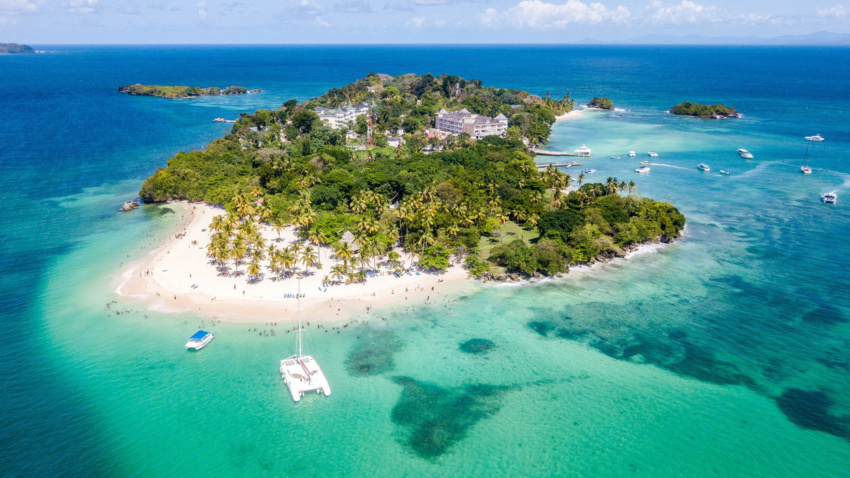
Cayo Levantado Beach (Bacardí)
Historically, the Taino Indians considered the local natural pools sacred. Today, the island has two parts: a public beach and the private area of the Cayo Levantado Resort.
- How to get there? Access to the island is exclusively by boat.
- The real magic begins in the evening: after daytime tourists leave the public beach, the island is immersed in absolute silence. For couples, the resort can arrange a private romantic dinner right on the shore.
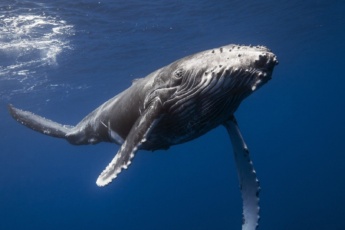
Seasonal bonus. From January to March, the bay becomes a mating ground for humpback whales. If the weather is right, tourists can witness the silhouettes of the multi-ton mammals leaping out of the water against the blazing sunset sky.
-
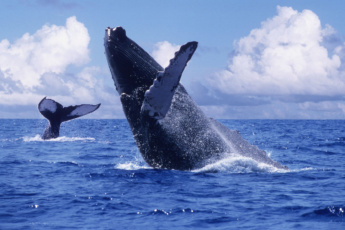
The Best Samaná Whale Watching Tour 2026 – Humpback Whales, Cayo Levantado, El Limon Waterfall
from $149 View Details -
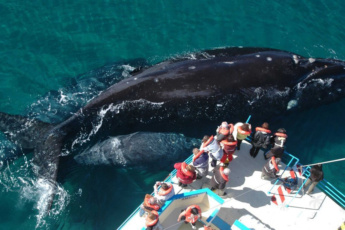
Private Whale Watching Tour from Punta Cana – Samaná Humpback Whales, Bacardi Island, El Limon Waterfall
from $2400 View Details -
Private Samana Whale Watching Tour from Punta Cana – Humpback Whales & Cayo Levantado
from $2140 View Details
9. Bayahibe and Playa Dominicus, La Romana
Bayahibe is a small coastal town founded in 1874 by Puerto Rican fisherman Juan Brito. Actually, the name has indigenous roots: the Taino used “Baya” for bivalve mollusks and “jib” for a wicker sieve. Today, it is a major tourist hub, the main departure point for Saona Island, and an excellent site for wreck diving (Atlantic Princess, St. George, Coco).
- Sunset highlight. The prime spot for an evening stroll is Playa Dominicus, located three miles from town. This shallow-water beach was one of the first in the region to receive the prestigious Blue Flag environmental certification. Particularly, the major landmark here is the red-and-white lighthouse (El Faro), which now serves as a bar.
- Atmosphere. Sunsets are imbued with local flavor. Against a backdrop of blazing red and orange skies, fishermen return with their catch, weaving a path through tourists to the sounds of live music. Furthermore, many travelers reserve tables at waterfront restaurants to enjoy the freshest lobster in the sun’s rays.
10. Las Terrenas & Playa Bonita, Samaná
Las Terrenas is a charming coastal town on the Samana Peninsula, renowned for its cosmopolitan spirit thanks to its large European (French and Italian) community.
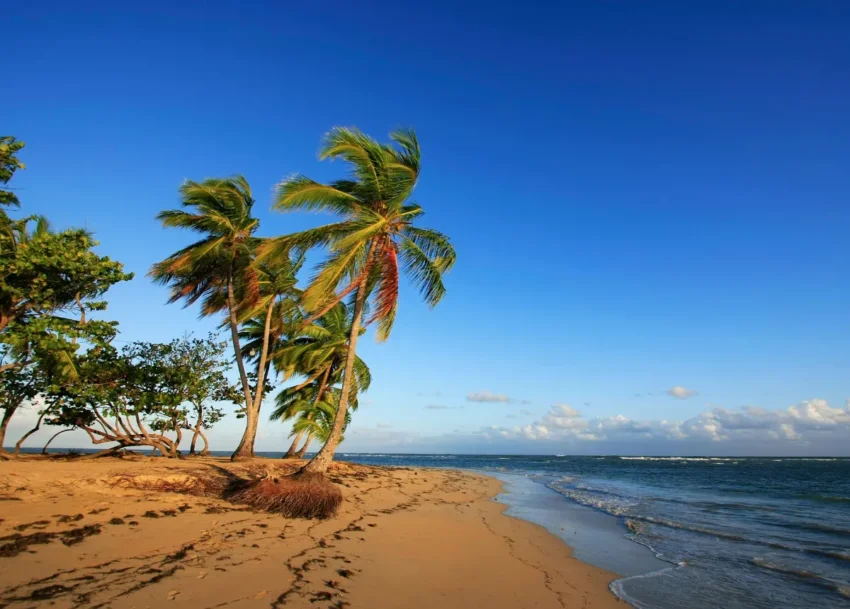
Playa Las Terrenas in Samaná
- The town’s westerly orientation makes it one of the best sunset spots in the north. Evening kayaking tours are especially popular on Playa Bonita, a beach fringed with coconut palms.
- The town’s promenade is lined with stylish bars. A special tradition has developed here: travelers gather on restaurant terraces, order ice-cold beer or a shot of Mamajuana, and watch the sun slowly sink below the horizon as guides tell stories about the Taino Indians’ star predictions.
High-Altitude Sunset Spots
in the Dominican Republic
Sunsets in the Dominican Republic aren’t just about beaches. Moreover, its geography allows you to reach altitudes over 3,000 meters or spend the evening surrounded by ancient colonial-era stones. In this part, you’ll find locations with panoramic views from above and the rich country’s history in the rays of the setting sun.
11. Montaña Redonda: swinging over the abyss
Montaña Redonda (“Round Mountain”) in Miches is a place made for social media. It rises over 300 meters (1,000 feet) above the coastal plains and offers one of the best views in the country.
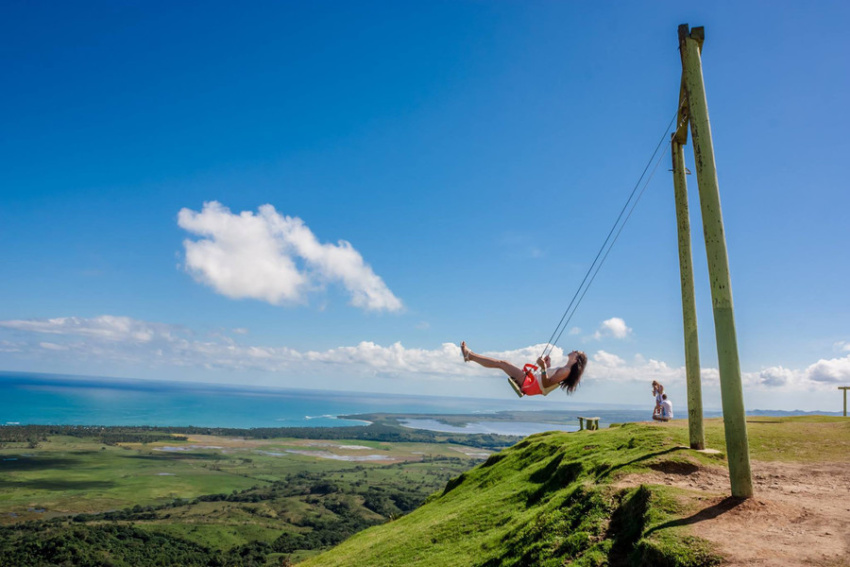
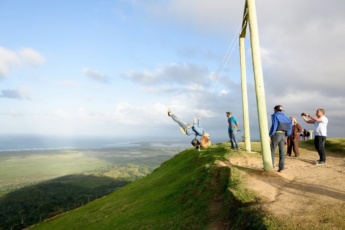
Swings on Montaña Redonda, one of the top sunset spots in the Dominican Republic
How to get to Montaña Redonda?
From Punta Cana, the base of the mountain is a 90-minute drive. To reach it, you have two options: take a 40-minute hike (a great workout!).
Use open safari trucks or SUVs (prices start at $5).
Sunset highlights here
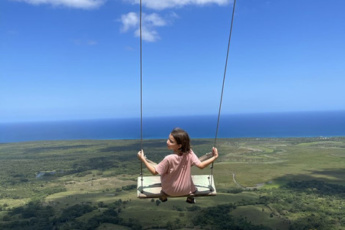
The main attraction is the giant swing on the edge of the cliff. Photos create the illusion of flying over the abyss against the backdrop of the sunset sky.
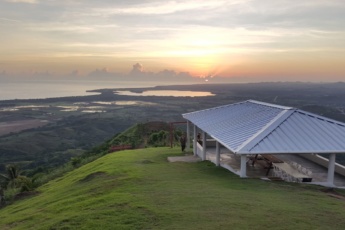
- Panorama. The summit offers a 360-degree view. You’ll see Samaná Bay, the endless ocean, and the freshwater lagoons of Redonda, El Limón and one of the most Instagrammable sunset spots in the Dominican Republic.
- The effect. In the evening, the warm rays of the sun are beautifully reflected off the surface of the lagoons, while the Cordillera Oriental mountains begin to cast long shadows over the valleys.
-
Redonda Mountain Private 4-Hour Tour – From Punta Cana, DR
from $420 View Details -
Montaña Redonda Private Tour from Punta Cana – With Beach Horseback Riding and El Limon Beach Stop
from $320 View Details -
Redonda Mountain & El Limon Beach 2 in 1 Private Excursion in Punta Cana
from $140 View Details -
Montaña Redonda & Horseback Riding 2-in-1 Private Tour – from Punta Cana, 2026
from $165 View Details -
Montaña Redonda – The Best Panoramic View in the Dominican Republic (Private Tour)
from $130 View Details -
Montaña Redonda (Miches) Private 2-in-1 Excursion – With Quad Safari, El Limon Beach, Professional Guide
from $290 View Details -
Montaña Redonda Private Combo Tour – With ATV and El Limon Beach Horseback Ride
from $420 View Details -
Montaña Redonda – Hidden Paradise. The Dominican Republic
from $120 View Details
12. Pico Duarte, Cordillera Central
For those willing to trade their beach chairs for hiking boots, Pico Duarte is the highest peak in the Caribbean, reaching 3,087 meters above sea level.
- The climb is a serious physical challenge that takes 2-3 days. Precisely, the route typically begins in the picturesque village of La Ciénaga and requires official guides (private tours can cost over $300 per person).
- Nighttime temperatures at high altitudes can drop below freezing. Before the final assault, climbers rest at La Compartición base camp.
- Groups aim to catch the sunrise at the summit, but experienced mountain guides note that sunsets are often more predictable and spectacular. From an altitude of over three kilometers, a boundless sea of clouds opens up, pierced by the sharp peaks of neighboring mountains (such as Loma La Pelona).
Watching the sun dissolve into this cloud carpet, painting the rugged mountain ranges in copper and red tones, is a privilege afforded to few.
13. Cable Car (Teleférico) and Mount Isabel de Torres, Puerto Plata
Puerto Plata offers a unique attraction in the Caribbean: a ride on the cable car (Teleférico) to the summit of Mount Isabel de Torres, which rises 800-855 meters above sea level. It opened in the 1970s. At the summit, you’ll be greeted by the 16-meter bronze statue of Christ the Redeemer, installed in 1970, and a magnificent botanical garden.
- From the peak, you’ll enjoy breathtaking panoramic views of the entire city of Puerto Plata, the port of Taino Bay, and the vast expanse of the Atlantic Ocean.
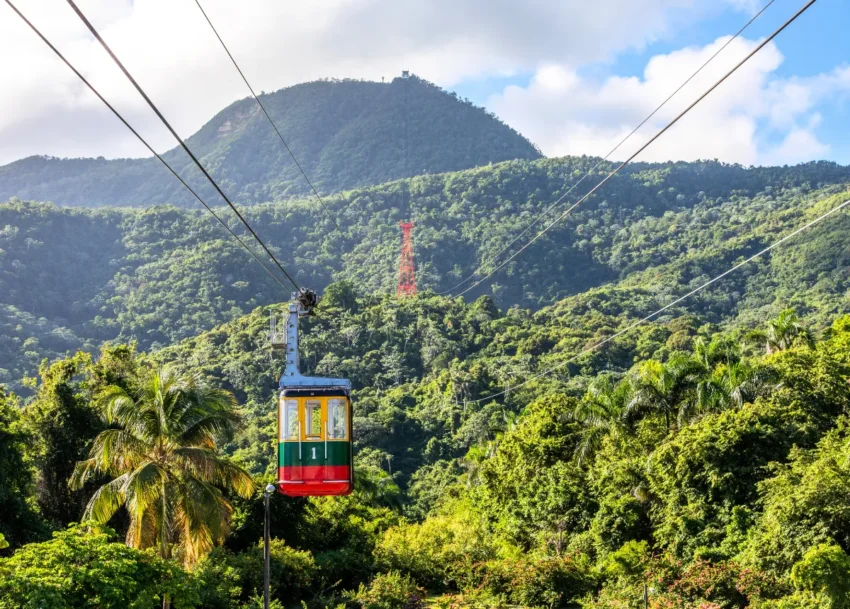
Teleferico Puerto Plata Cable Car
Watching the sunset from an altitude of 800 meters makes Mount Isabel de Torres one of the most unique sunset spots in the Dominican Republic, but in the afternoon, the mountain’s summit is often hidden behind thick clouds. Travelers should closely monitor the weather forecast. If the sky remains clear, the view of the sun setting into the ocean through the mountain haze will be simply magnificent.
14. Altos de Chavón – An Italian Fairytale in the Caribbean
Altos de Chavón is an architectural marvel in La Romana, part of the Casa de Campo resort. Despite its ancient appearance, the village has no ancient history – it’s a masterfully recreated replica of a 16th-century Mediterranean settlement.
History of the place
The idea arose in 1976, when a road had to be built that required the blasting of a mountain of rock. Industrialist Charles Bluedorn and architect Roberto Copa decided to use the rock to create a cultural center. The official opening took place in 1982. The crown jewel of the complex is a massive Greco-Roman amphitheater seating 5,000.
A special touch of sunset
At the “golden hour,” the narrow cobbled streets and hewn stone walls glow.
- The best vantage point is the square in front of St. Stanislaus Church or the restaurant terraces.
- The cliff edge overlooks the winding Chavon River, surrounded by dense tropical jungle. This is one of the most romantic spots on our list.
Explore Altos de Chavón
Beyond the sunset, this charming area features a stunning Grecian-style amphitheater. Visitors can explore the Archaeological Regional Museum, which showcases Taino artifacts, and shop for unique crafts and jewelry created by local artisans.
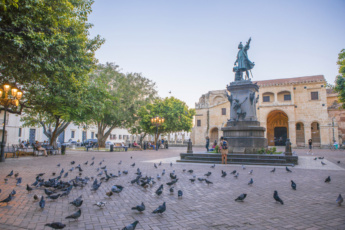
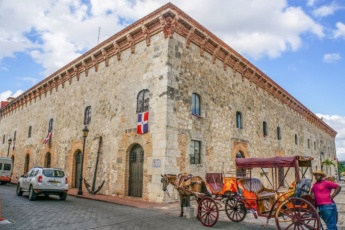
15. Malecón, Santo Domingo
Completing the list is a location offering a completely different urban landscape. Santo Domingo is the oldest continuously inhabited European city in the Americas, whose Colonial Zone is a UNESCO World Heritage Site.
- The famous Malecón is a spacious promenade stretching along the Caribbean Sea. Sunset here is a symphony of contrasts: the silhouettes of ancient stone forts (like Fortaleza Ozama) and modern high-rises stand out against a fiery sky.
- Santo Domingo comes alive at sunset: the promenade fills with people, live music (bachata and merengue) plays, the strong sea breeze sways the palm trees, and the aromas of street food fill the air, creating a true quintessence of Dominican culture.
Dive into the Colonial Zone of Santo Domingo
Before catching the sunset, take time to explore the Colonial Zone of Santo Domingo. As a UNESCO World Heritage site, the Colonial Zone features historical landmarks, including the first cathedral of the Americas, Alcázar de Colón, and charming cobblestone streets lined with cafes and museums.
-
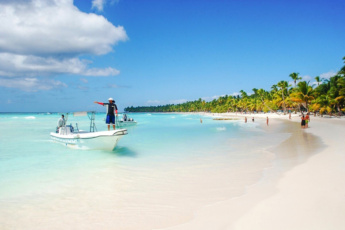
Saona Island and Altos de Chavon 2-in-1 Private Excursion (from Punta Cana)
from $1040 View Details -
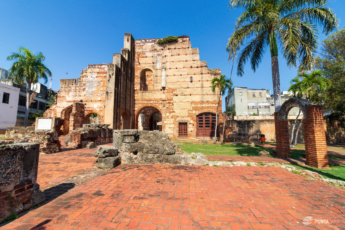
Santo Domingo Full Day VIP Tour from Punta Cana – Zona Colonial, Conquista Park, Los Tres Ojos
from $939 View Details -
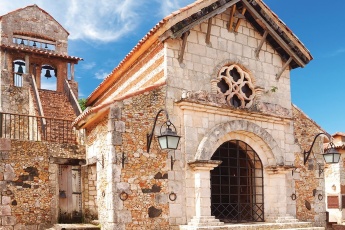
Altos de Chavon VIP Tour The Dominican Republic
from $699 View Details -
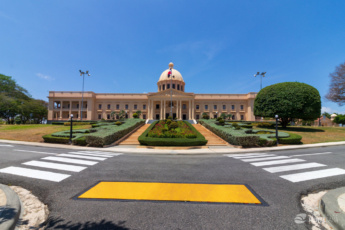
Santo Domingo Tour from Punta Cana – Private Full Day Excursion in the Colonial Zone of Santo Domingo
from $930 View Details
Tips for Photographing Sunset Spots
in the Dominican Republic
For those who want to take home not just memories but also professional content, it’s important to consider tropical conditions.
- Equipment. Use wide-angle lenses for panoramic shots and graduated neutral density (GND) filters to balance bright skies and dark foregrounds (especially on beaches like Playa Frontón). On peaks like El Morro, strong winds (up to 30 mph) require a heavy and sturdy tripod.
- Comfort. When shooting near mangroves in the evening, be sure to use insect repellents, and when temperatures change (for example, after using car air conditioning), allow your lenses to adjust to avoid condensation.
Let’s preserve beauty together
As more travelers seek exceptional sunsets (including attendees of the numerous MICE conferences, which held more than 3,300 in 2024), pressure on nature increases. Be a conscious tourist: support local micro-businesses (for example, by renting eco-camps), take your trash with you, and use local guides. Preserving places like Eagle Bay is crucial for protecting rare marine species.
Conclusion
The Dominican Republic is an incredibly complex and multifaceted experience. Every golden hour here tells its own unique story. All in all, whether you are looking for where to watch the sunset in the Dominican Republic for a romantic evening in Altos de Chavón or seeking the wild nature of Barahona, find your perfect location. The view at these top sunset spots in the Dominican Republic will remain etched in your memory forever.
For many travelers, the ideal trip isn’t just about beautiful locations and vibrant sunsets, but also a cozy place to return to after a busy day. Whether you’re looking for a more homely atmosphere, planning an extended stay, or want to optimize your budget without sacrificing quality, Punta Cana offers a stunning selection of apartments. This is your chance to own your own personal Caribbean getaway.
-
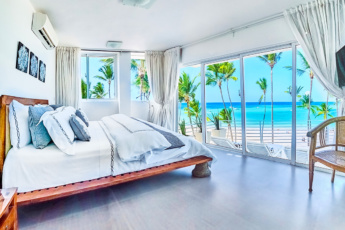
Condo for Rent in Punta Cana – Stunning Ocean View – Oreuga
from $455 / night View Details -
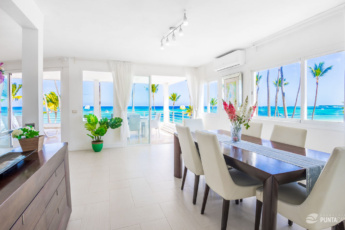
Beachfront Punta Cana Condo for Rent – Private Apartment with Stunning Oceanview, Bávaro, Los Corales
from $165 / night View Details -
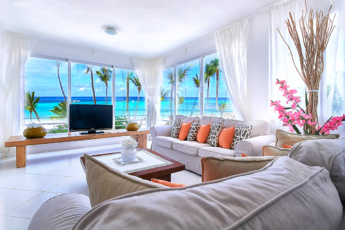
Dream Apartments for Rent in Punta Cana – Oreuga Ocean View Paradise
from $219 / night View Details -
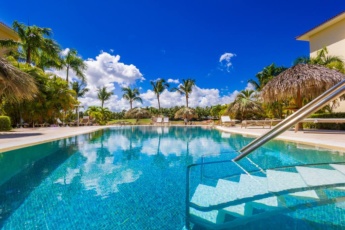
Iberostate 2BR Condo in Bávaro, Punta Cana – Pools, Gym, Iberostar Golf Club & Private Beach Club
from $105 / night View Details -
Spacious 3BR Condo in a Quiet Secure Cap Cana Residence – Private Pool, Large Terrace, Prime Marina Location
from $440 / night View Details -
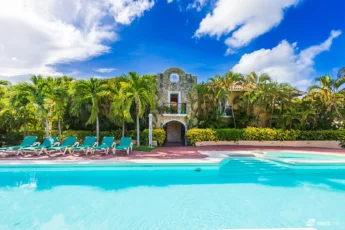
Amazing Lakeview 4BR Apartment in Secure Cocotal Community, Punta Cana
from $110 / night View Details
FAQ about Sunset Spots
in the Dominican Republic
Where to see sunset in the Dominican Republic?
The best sunset spots in the Dominican Republic are generally located on the western and southern coasts, as well as on elevated vantage points. Top locations include:
- The pristine and remote Bahía de las Águilas in Pedernales.
- The panoramic cliffside swings at Montaña Redonda in Miches.
- The romantic Mediterranean-style village of Altos de Chavón in La Romana.
- The lively lighthouse beach of Playa Dominicus in Bayahibe.
Does Punta Cana have sunsets?
Yes, absolutely! While Punta Cana is located on the eastern coast and is famous for its sunrises, its sunsets are incredibly vibrant. You won’t see the sun dip directly into the ocean, but you will witness a breathtaking canvas of pastel pink, purple, and orange hues reflecting off the clouds above the Caribbean Sea.
For the best views, head to the Cap Cana Marina or book an evening catamaran cruise.
What is the prettiest part of the Dominican Republic?
Beauty is subjective, but the Samaná Peninsula is widely considered the most picturesque region due to its lush tropical jungles, hidden waterfalls, and wild beaches like Playa Frontón.
If you prefer untouched, rugged coastal beauty, the southwestern province of Barahona offers stunning contrasts between high mountains and the sea. For classic white-sand luxury, Bávaro Beach in Punta Cana remains unmatched.
Which beach is the best for sunset?
It entirely depends on the vibe you are looking for:
- Bahía de las Águilas offers an unobstructed view of the sun melting into the sea with zero light pollution.
- Playa Dominicus is perfect for watching the sunset near an iconic lighthouse with a cocktail in hand.
- Saona Island delivers a cinematic, peaceful experience, provided you stay after the daytime crowds leave at 5:00 PM.
What is nicer, Punta Cana or Puerto Plata?
Both offer fantastic but distinctly different experiences:
- Punta Cana is ideal for luxury seekers and beach lovers. It boasts world-class all-inclusive resorts, powdery white sand, and calm, turquoise waters.
- Puerto Plata is perfect for adventurers and culture enthusiasts. It features a rugged Atlantic coastline with golden sands, lush mountains (like Mount Isabel de Torres and its famous cable car), and rich colonial history.
What months not to go to the Dominican Republic?
The peak of the Atlantic hurricane season, specifically August, September, and October, is generally the riskiest time to visit. During these months, the weather is extremely humid, and there is a higher chance of heavy tropical storms.
However, there is a silver lining for photographers: the brief afternoon showers during the rainy season often leave behind complex cloud formations that create the most dramatic and colorful sunsets of the year!
What is the prettiest beach in the Dominican Republic?
“Prettiest” depends on your style, but three beaches consistently top the lists:
- Bahía de las Águilas (Pedernales). Best for untouched, pristine nature. It has miles of dazzling white sand and crystal-clear water with zero resorts in sight.
- Playa Rincón (Samaná). Best for a lush, tropical backdrop. It is surrounded by dense palm forests and towering cliffs.
- Bávaro Beach (Punta Cana). Best for the classic Caribbean postcard look with soft, powdery sand and calm turquoise waters.
Is it better to go to Santo Domingo or Punta Cana?
It depends entirely on your vacation goals.
- Go to Punta Cana if your priority is relaxation, pristine beaches, and all-inclusive luxury. It is the ultimate destination for unwinding.
- Go to Santo Domingo if you want culture, history, and vibrant nightlife. As the oldest European city in the Americas, it offers incredible architecture, museums, and an authentic urban Dominican experience.
What is the safest vacation spot in the Dominican Republic?
Punta Cana and the exclusive enclave of Cap Cana are widely considered the safest areas for tourists. These regions consist largely of gated resorts, private beaches, and heavily monitored tourist zones. Other highly safe, pedestrian-friendly areas include the coastal town of Bayahibe and the expat-heavy town of Las Terrenas in Samaná.
What is the nicest city in the Dominican Republic?
If you are looking for urban charm, Santo Domingo takes the crown, specifically its Zona Colonial, which features gorgeous 16th-century architecture, boutique hotels, and romantic cobblestone streets. If you prefer a smaller, coastal city vibe, Puerto Plata is famous for its colorful Victorian-style architecture and the scenic Mount Isabel de Torres.
How many days do you need in Santo Domingo?
2 to 3 days is the sweet spot. This gives you enough time to thoroughly explore the Colonial Zone (a UNESCO World Heritage site), visit key landmarks like the Alcázar de Colón, enjoy authentic Dominican dining, and experience the evening energy and sunset along the Malecón promenade.
What to be careful of in the Dominican Republic?
To ensure a smooth trip, keep a few practical things in mind:
- NEVER drink the tap water. Always stick to bottled water, even when brushing your teeth.
- Avoid driving outside of major cities after dark. Rural roads are often poorly lit, and you may encounter wandering livestock or unmarked speed bumps.
- The Caribbean sun is exceptionally strong. Wear reef-safe sunscreen, hydrate often, and seek shade during midday hours.
- Like in any popular tourist destination worldwide, keep an eye on your belongings in crowded urban areas and don’t flash expensive jewelry outside of your resort.
Updated on: . Author: