

Punta Cana in Autumn 2026 – Rethinking the Rainy Season
A common claim says that during the Caribbean rainy season, the only safe bets are the “ABC islands” (Aruba, Barbados, Curaçao). That view overlooks Punta Cana, but for travelers seeking energy, activities, and value during the off-peak months, Punta Cana truly deserves a place at the top of the list.
Autumn in Punta Cana is a good-value window with a lively, manageable vibe. It gives you the same Caribbean experience – just at a fairer price. Expect heat, high humidity, and brief passing showers. The best odds for settled weather are in late September and October.
Sargassum in Punta Cana – Current
Conditions & Clear Beaches
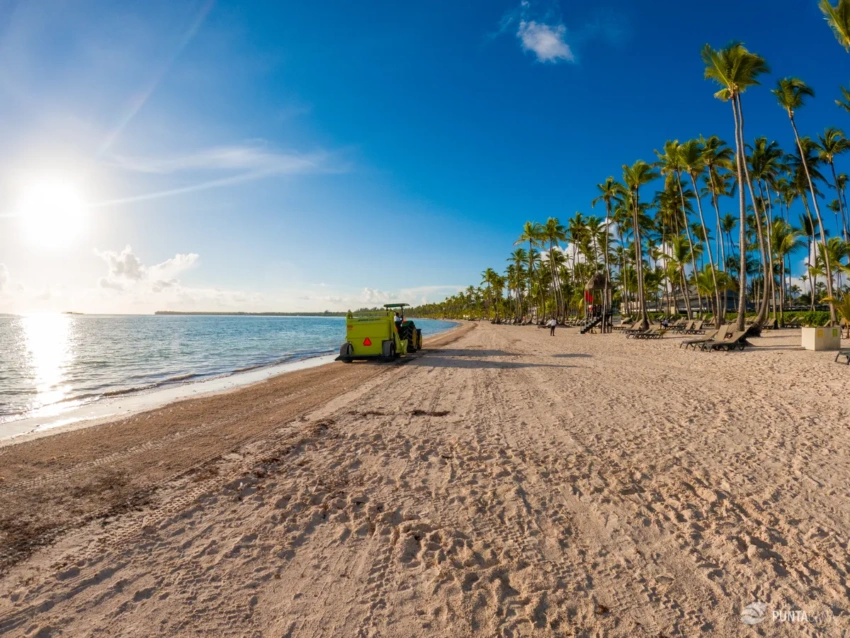
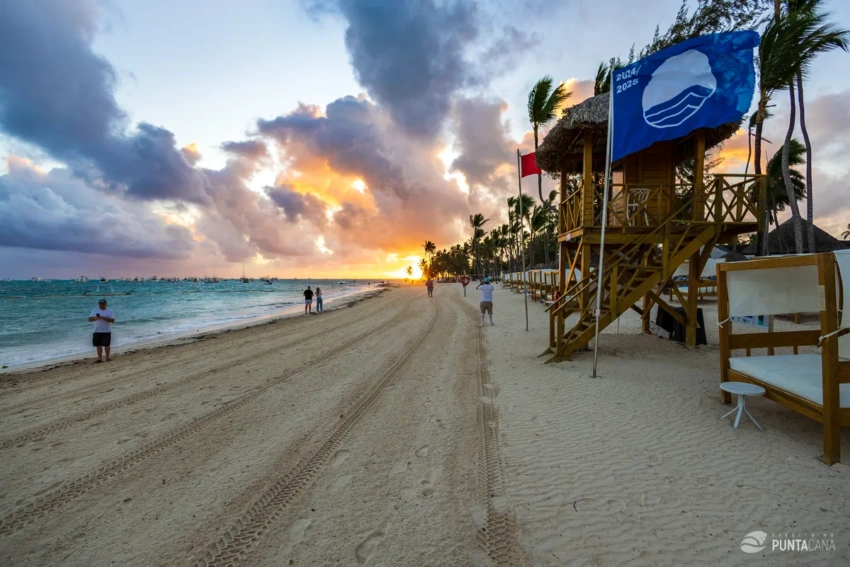
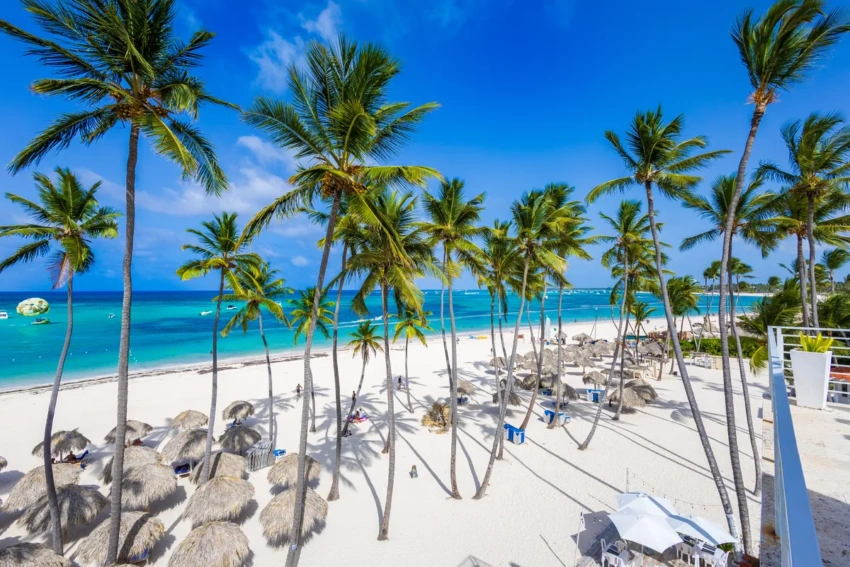
The Beach Near Barcelo Bavaro, Punta Cana
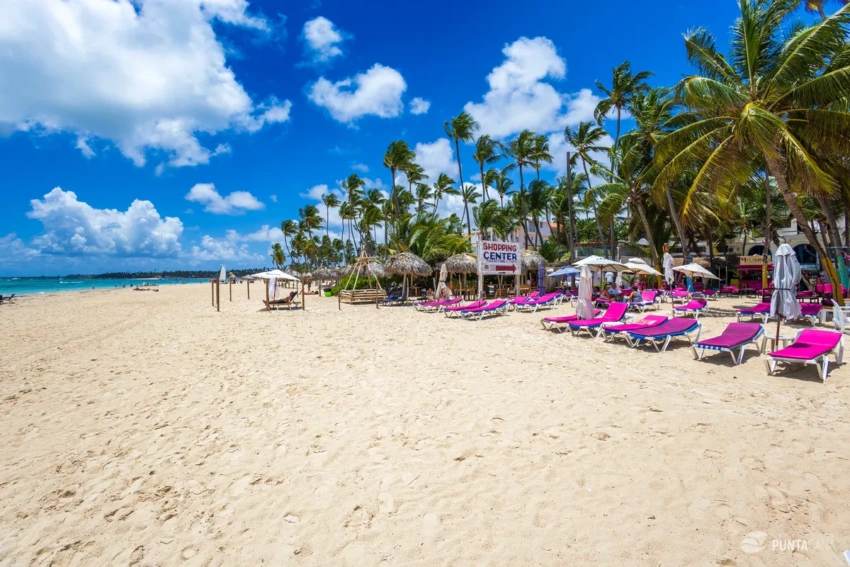
Mid-autumn on Punta Cana’s east coast typically brings calm mornings, clear water, and that pale coral sand at Bávaro that stays comfortable for barefoot walks. When sargassum drifts in, resort crews usually clear the tideline within hours, so beach time remains uninterrupted.
While Bávaro and Arena Gorda sometimes catch more seaweed than Cap Cana’s protected beaches, the nearby islands are a different story. Saona and Catalina stay picture-perfect all year – no seaweed, no worries, just turquoise water and soft sand. Whatever the weather, it’s always paradise out there.
-
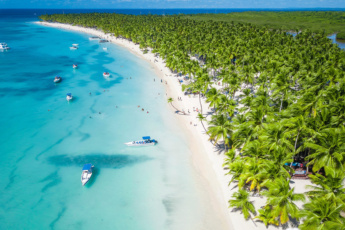
Saona Island Excursion – Caribbean Paradise
from $80 View Details -
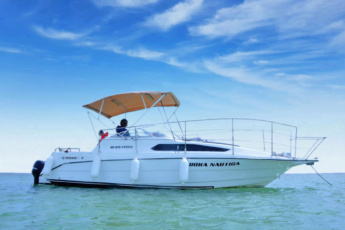
Best Private Punta Cana Snorkeling Tour – 3 Hours, Best Spots, Small Group, Equipment
from $430 View Details -

Fantastic Private Boat Tour (from Cap Cana) – With Fishing & Snorkeling
from $1795 View Details -
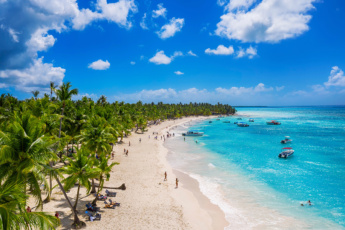
Saona Island Private Tour – From Punta Cana to Saona Excursion
from $1090 View Details -
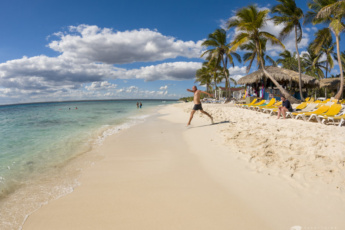
Private Catalina Island Full-Day Tour by Speedboat – Snorkeling, Personal Guide
from $860 View Details -
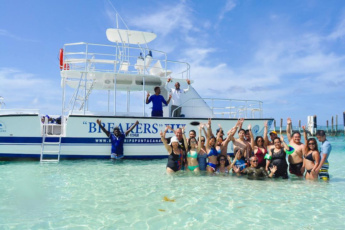
Private Catamaran in Punta Cana (Bavaro) – Exclusive Snorkel & Sail Adventure 2026
from $795 View Details
What are the worst months for seaweed in Punta Cana?
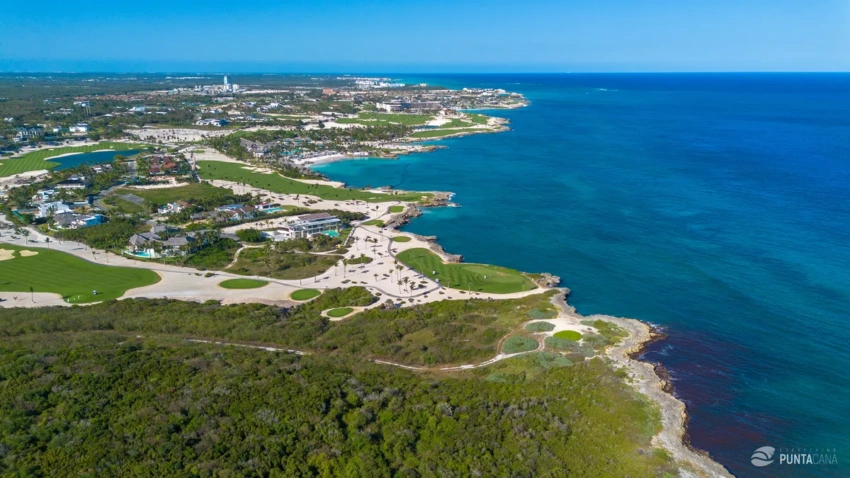
Cap Cana
Sargassum varies by beach and week, so favor historically clearer areas such as Cap Cana and check recent guest photos before you book. The worst months for seaweed in Punta Cana are June through August, when ocean currents and warm water bring large amounts of sargassum to the beaches. Resorts often clean it daily, but during this period, some beaches can still look messy.
By autumn, the situation improves noticeably as currents shift and seaweed levels drop. From October onward, beaches are generally clean and great for swimming.
If water clarity is a priority, feel free to contact us, we’ve been living here for over 20 years and know every corner of the Dominican coast. We’ll gladly point you to the clearest beaches and hidden spots that locals love.
Punta Cana Fall Season Weather –
What to Expect
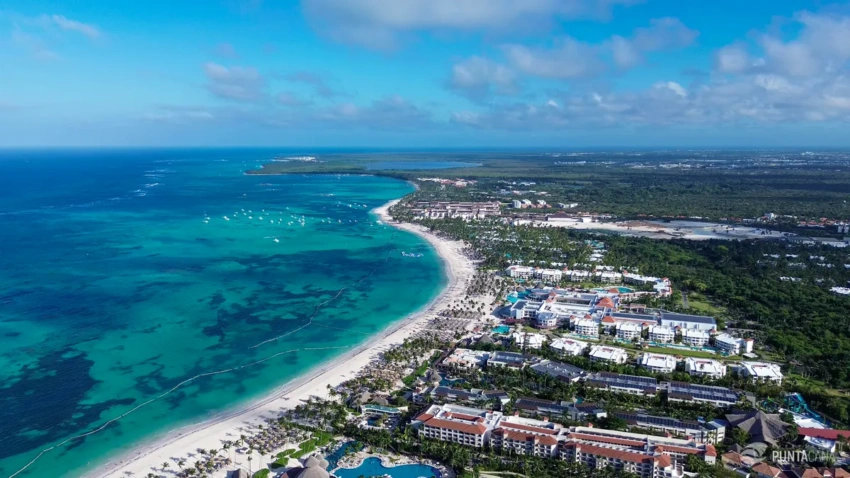
Punta Cana, Bavaro
Autumn in Punta Cana stays firmly in beach mode. Daytime highs hover around 28-31°C (82-88°F), nights sit near 22-26°C (72-79°F), and the sea remains warm at roughly 28-29°C (82-84°F).
Showers are usually brief and localized, occurring most often in the late afternoon or at night, so full days of rain are uncommon. UV is strong, and humidity is highest at the start of the season, easing toward November.
- September is the hottest, most humid month of the trio, typically ~30-31°C (86-88°F) by day, ~29°C (84°F) in the water, with a modest daily chance of a quick shower and the year’s highest tropical-storm risk. It’s also the best for value: light crowds and aggressive pricing, offset by more variable sargassum and weather.
- October offers the best balance for most travelers. Air temperatures remain warm (about 28-31°C / 82-88°F) with many clear, beach-friendly days; showers tend to pass quickly, and storm risk tapers compared with September. Sargassum generally eases in late summer, though conditions still vary by beach.
- By November, conditions trend drier and a touch less humid while the sea stays comfortably warm (about 28-29°C / 82-84°F). Reliability improves as the dry season approaches, but prices can rise around U.S. Thanksgiving; early November is the sweet spot.
What Are the best and worst months to visit Punta Cana?
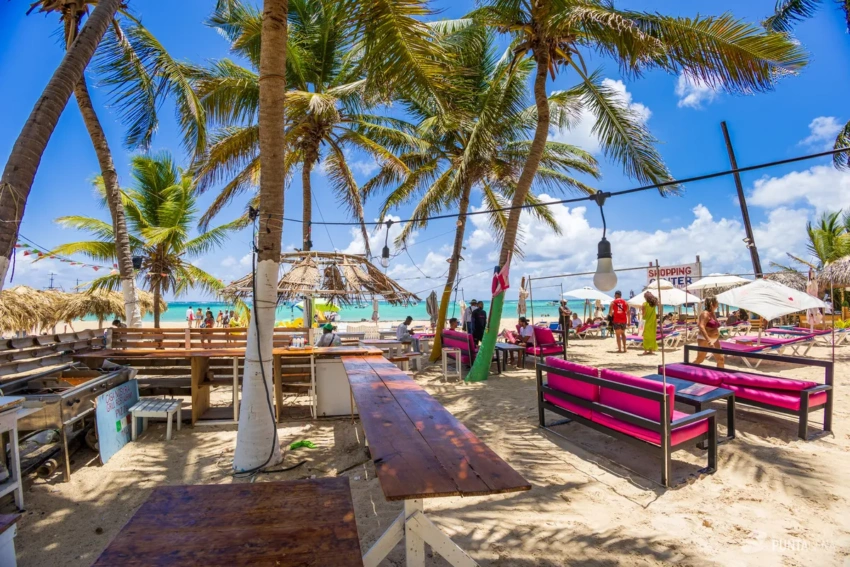
Los Corales, Punta Cana
For autumn travel, October is the best all-around choice: stable beach weather, manageable crowds, and off-peak pricing. If maximum weather reliability is the priority, the first half of November is ideal – with stable sunshine, calm seas, and pleasantly warm temperatures.
For the lowest rates and quieter beaches, September works – so long as you’re comfortable with higher storm variability and book on flexible terms.
| Month | Weather (air/sea) | Rain pattern | Storm risk | Crowds & prices | Sargassum | Best for | Booking tips |
|---|---|---|---|---|---|---|---|
| September | 30-31°C (86-88°F)/~29°C (84°F) | Short, localized showers; often late afternoon or night | Highest of the year (peak Atlantic window) | Light crowds; lowest prices and easy upgrades | Variable; pick historically clearer pockets (e.g., Cap Cana) | Deal-hunters who can accept weather variance | Book flexible rates + insurance; monitor tracks 5-7 days out; check guest photos from the last 1-2 weeks |
| October (editor pick) | 28-31°C (82-88°F)/~29°C (84°F) | Brief passing showers; many beach-usable days | Lower than September, not zero (early Oct can wobble) | Moderate-light crowds; good value without winter surge | Generally easing vs late summer; still verify recent reports | Balanced choice: value + more settled weather; autumn events | Target mid/late October; keep free cancellation; confirm beach conditions via recent guest photos |
| November | Upper-20°C (low-80°F)/sea~28-29°C (82-84°F) | Trending drier as dry season approaches | Decreasing through the month (season ends Nov 30) | Rising toward late month; Thanksgiving week spikes | Tends lower; still varies by location and week | More predictable weather without full peak-season pricing | Aim for the first half; avoid U.S. Thanksgiving; book earlier for popular resorts |
What is the rainiest month in Punta Cana?
The rainiest month in the fall in Punta Cana is September. It’s the peak of the hurricane and tropical storm season, when the Atlantic produces the most cyclones and tropical waves.
This shows up as short, intense downpours, higher humidity, and more cloudy or windy days – though sunshine often returns quickly after the rain.
How Likely Are Hurricanes in Punta Cana
During Autumn?
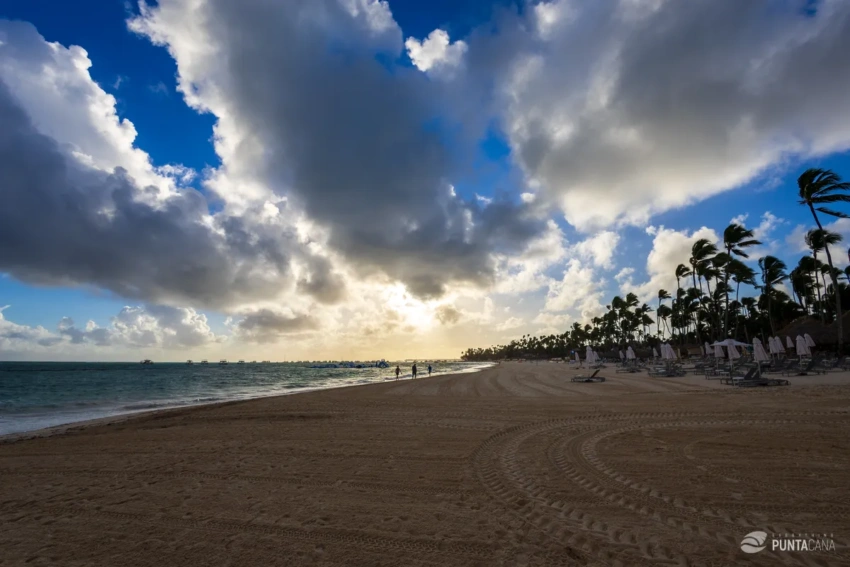
Hurricanes in Punta Cana
Hurricane season in the Dominican Republic runs officially from June 1 to November 30. The most active months, when storms are most likely to form, are typically August through October, with September often being the busiest.
That said, the chance of a direct hit on Punta Cana itself is very low. Historical data suggest that while tropical storms and heavy rain are more common, destructive hurricanes making landfall here are rare.
When you choose autumn to travel, plan confidently, but be sensible. Choose a resort with good weather monitoring, have flexible travel insurance, and keep an eye on forecasts. Ensure your holiday timing, accommodation, and cancellation policy give some buffer.
You can absolutely enjoy a beach holiday in Punta Cana this autumn – yes, you are travelling in hurricane season, but with the right preparation, the risk is modest. Many travellers visit during these months to take advantage of lower rates and fewer crowds, enjoying bright sunny days and warm water.
You can follow real-time weather conditions and storm movements in the Dominican Republic using live data from Windy.com.
Upsides to Visiting Punta Cana in Autumn
Punta Cana in Autumn
Big savings Resorts and villas discount heavily vs. winter; easy to find value and upgrades.
Fewer CrowdsMore space on beaches, quicker service, easier tour bookings.
Much more sun than expectedWarm air (28-31°C/82-88°F) and sea (29°C/84°F); rain usually brief and later in the day.
Shoulder-Season Sweet Spot October often brings a drier, sunnier pattern as dry season approaches.
Lively AtmosphereOff-peak months tend to draw a younger, more energetic crowd without peak-season gridlock.
Seasonal EventsHalloween parties, Oktoberfest nights, Día de la Raza festivities, fishing tournaments, and golf specials.
Better Excursion Experience Saona/Catalina trips, Scape Park, and Santo Domingo day tours with smaller groups and shorter lines.
More Choice & Flexibility Easier to book preferred room types, try new hotels, and snag last-minute deals.
Show all ↓
Halloween 2026 in Punta Cana – What to Do
Halloween in Punta Cana
No autumn feels complete without its most universal holiday – Halloween, or Samhain, when the boundary between worlds is said to fade. In Punta Cana, the celebration takes on a brighter tone, where Caribbean rhythms replace cold winds and lanterns glow under palm trees.
So, how do you spend this enchanted night in the Caribbean? A touch of makeup for protection, a costume if you like, and off to the clubs – it’s time to chase away the spirits, island-style:
- Coco Bongo. Famous for its high-energy mix of music, acrobatics, and dance, Coco Bongo turns Halloween into a full-scale show. Expect costumed performers, confetti blasts, and an all-night crowd. Tickets range from $75-$165, with open-bar and VIP options.
- Imagine Nightclub. Built inside a network of natural caves, Imagine offers one of Punta Cana’s most distinctive venues. Halloween nights feature themed décor, multiple dance rooms, and international DJs. Costumes are encouraged; packages start around $50, with VIP upgrades available.
- Oro Nightclub. Located in the Hard Rock Hotel & Casino, Oro hosts upscale Halloween events with world-class DJs and dramatic light shows. Dress up, enjoy the music, and reserve ahead if you want VIP bottle service. Prices begin near $90 and rise for premium tables.
-

Coco Bongo Show & Disco Punta Cana – Night Club Party 2026 (No Dress Code!)
from $90 View Details -

Dinner In the Sky in Punta Cana – Top Chef Dishes 150 Feet Above the Ground (Menu, Prices, Reservation)
from $168 View Details -

Night ATV Polaris Riding in Punta Cana + Jungle Party, Turf Dinner, and Open Bar at Bávaro Adventure Park
from $169 View Details -
Punta Cana Night Club with Best Prices – Maroca Club VIP Entry (Open Bar)
from $75 View Details -

Party Bus Punta Cana Night Tour – Enjoy the vibrant nightlife of the Dominican Republic
from $129 View Details -
Night Adventure at Scape Park Punta Cana – Water Fun, Dinner, and Music Entertainment by the Waterfall
from $139 View Details
How Much Money Does It Cost to Go to Punta Cana
in Autumn?
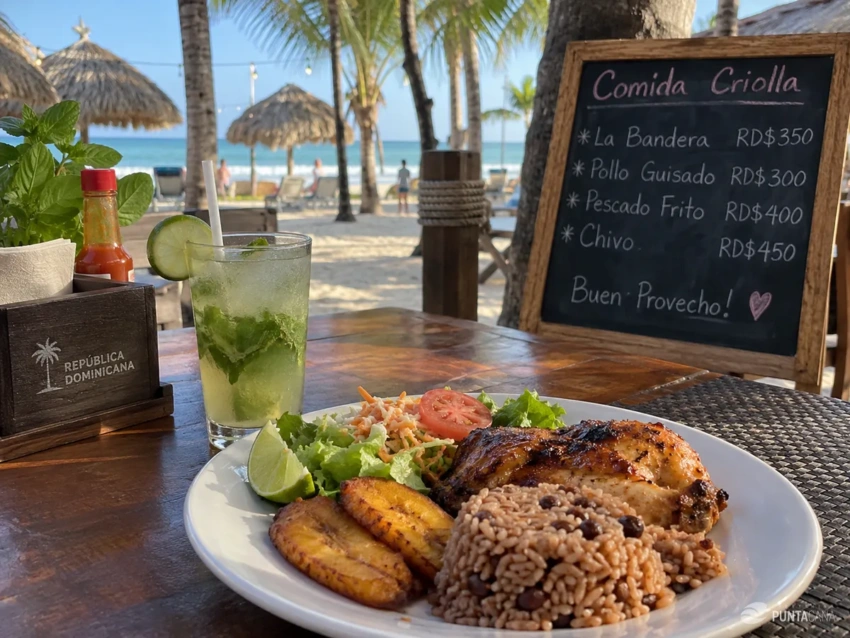
Money shapes every trip, but it doesn’t have to define it. In Punta Cana, value depends less on how much you spend and more on how you plan. The region’s mix of local culture, all-inclusive resorts, and independent options means there’s always a way to travel well – whether you prefer simplicity or comfort.
Autumn is a particularly good time to take advantage of this flexibility. With lower demand, prices soften across nearly every category – from rooms to excursions – giving travelers more space and choice.
Below, we break down what different budgets actually look like on the ground, and how to make your money work smarter while still enjoying the best of Punta Cana.
Budget TravelBudget hotels run $30-$70 per night, and local meals - rice with beans, chicken, or empanadas - cost $3–$10. Local minibuses cost about $0.90 per ride, but it can be challenging to find them.
Luxury TravelExpect to spend $400+ per day for a high-end stay. The resorts start around $250 per night and can exceed $1,000 for top suites or villas. Yacht trips, spa sessions, and golf cost $200–$500.
Mid-Range TravelExpect to spend $175-$200 per day, covering accommodation, meals, transport, and activities. Mid-range hotels or rentals run $100-$200 per night, meals $10-$20, and most excursions $50-$150 per person.
Family TravelFamily resorts and rentals average $200-$400 per night for four. Meal plans and activity packages help manage costs, and mixing dining out with self-catering keeps food expenses near $80-$150 daily.
Costs in Punta Cana also depend on how many people you’re traveling with. Traveling with friends or a small group can reduce accommodation costs considerably.
Renting beachfront apartments or shared villas often provides more space and comfort at a lower per-person rate than separate hotel rooms. This setup also allows for shared meals and a more flexible schedule – an effective way to save on lodging while staying close to the beach.
-
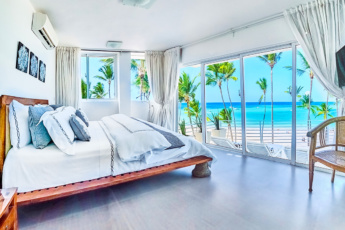
Condo for Rent in Punta Cana – Stunning Ocean View – Oreuga
from $455 / night View Details -
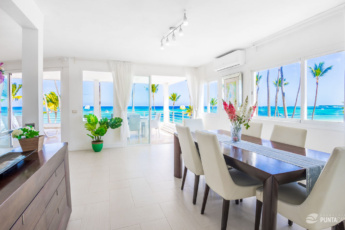
Beachfront Punta Cana Condo for Rent – Private Apartment with Stunning Oceanview, Bávaro, Los Corales
from $165 / night View Details -
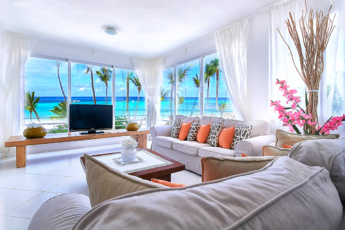
Dream Apartments for Rent in Punta Cana – Oreuga Ocean View Paradise
from $219 / night View Details -
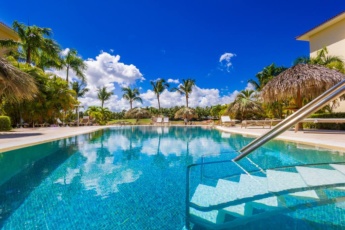
Iberostate 2BR Condo in Bávaro, Punta Cana – Pools, Gym, Iberostar Golf Club & Private Beach Club
from $105 / night View Details -
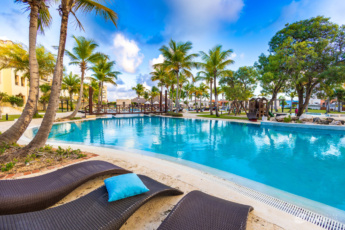
Spacious 3BR Condo in a Quiet Secure Cap Cana Residence – Private Pool, Large Terrace, Prime Marina Location
from $440 / night View Details -
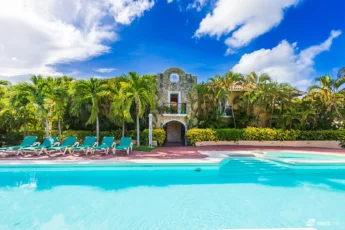
Amazing Lakeview 4BR Apartment in Secure Cocotal Community, Punta Cana
from $110 / night View Details
Are taxis expensive in Punta Cana?
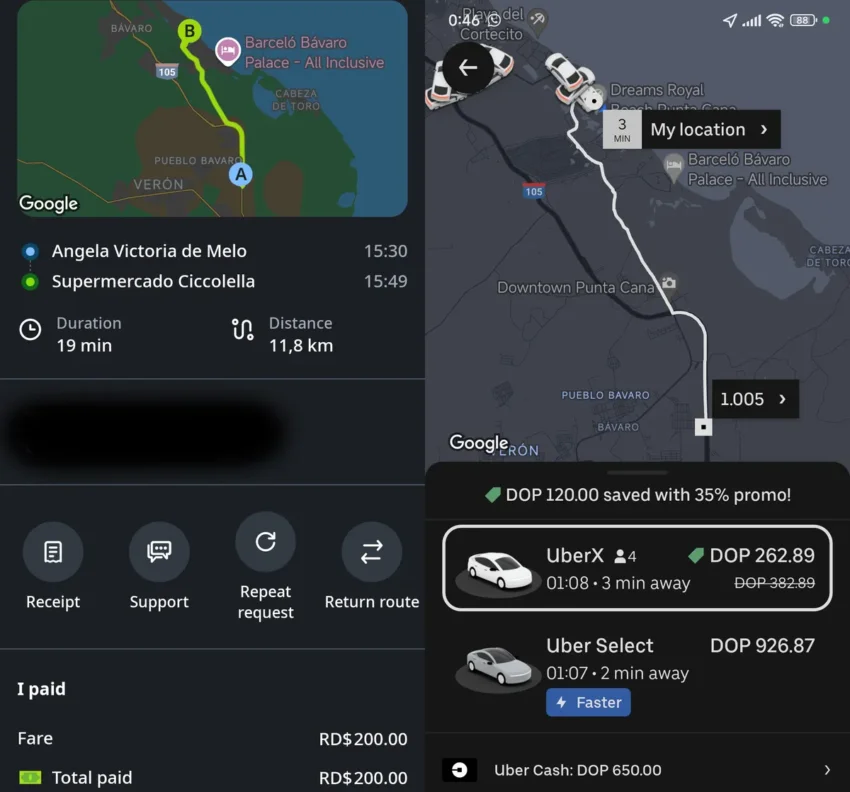
InDrive and Uber Prices Comparison
For fair pricing, aim for about $0.35-$0.40 per kilometer – roughly $4 for a 10-kilometer ride. This keeps rates balanced and respectful for both sides.
Transportation in Punta Cana is simple and flexible, with Uber and InDrive as the main ride-hailing options.
- Uber operates much like it does everywhere – enter your destination, and you’ll see an upfront fare that’s typically reasonable and close to U.S. pricing.
- InDrive works differently – you set the fare yourself. Enter your route and the amount you’re willing to pay; drivers can accept or counter with their own offer. It’s a straightforward, friendly negotiation, but keep in mind that many drivers rely on these trips as their primary income.
U.S. dollars are widely accepted, but it’s worth carrying some Dominican pesos for small payments or change. Most drivers prefer cash, and not all can process cards.
Punta Cana private transfer – how much does it cost
Car rentals in Punta Cana usually range from $30-$60 per day for an economy vehicle, while luxury models run $100-$180 per day. Add costs for insurance and fuel (about $1.30 per liter) when budgeting. Booking ahead often secures better rates and wider vehicle options.
-
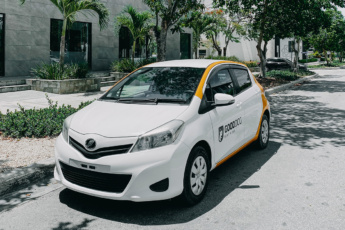
Toyota Vitz Rent a car in Punt Cana
from $59 View Details -
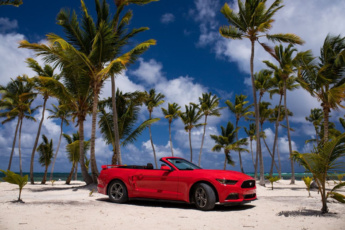
Ford Mustang Convertible Car Rentals in Punta Cana
from $180 View Details -

Kia Optima Cheap car rentals in Punta Cana
from $75 View Details -
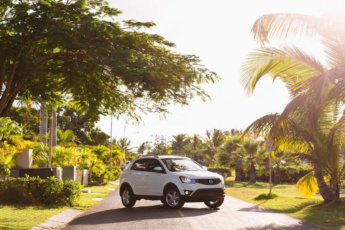
SsangYong Tivoli Hire a car in Punta Cana
from $85 View Details -
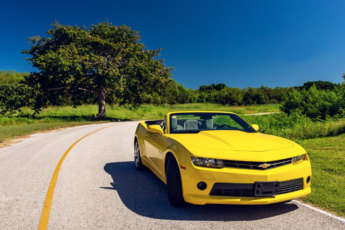
Chevrolet Camaro Convertible Luxury car rental in Punta Cana
from $120 View Details
What’s the cheapest month to go to Punta Cana?
If you’re looking for value without cutting corners, September and October are smart months to visit Punta Cana. Prices on flights and hotels drop after the summer rush, and you’ll find a quieter, more relaxed version of the island.
Yes, it’s within the hurricane season, but serious storms are uncommon, and most days still deliver steady warmth and plenty of sunshine. When it does rain, it’s usually brief – a passing shower before the sky clears again.
With fewer tourists, open beaches, and comfortable temperatures, early fall offers a balanced mix of calm and affordability. For travelers who prefer space over crowds and real value over hype, this is the sweet spot.
How much cash should you bring for a week in Punta Cana?
Money habits change when you travel – especially in places where a mix of cards and cash still works best. In Punta Cana, most restaurants, supermarkets, and tour companies accept cards, but cash remains practical for small shops, markets, and tipping. U.S. dollars are widely used, yet having some pesos on hand saves time and helps you avoid rounding errors or awkward change moments.
For a weeklong stay in an Airbnb or local rental, $400-$600 in cash is usually enough to cover groceries, taxis, and small expenses, provided your larger costs (like lodging or excursions) are already paid. Keep part of that in smaller bills – $1s and $5s are ideal for tips and quick purchases. You can exchange at banks or authorized kiosks; avoid airports, where rates are poor.
Use your card for larger purchases, but check foreign transaction fees before you go – some U.S. cards waive them entirely. The goal isn’t to carry a wallet full of cash, but to strike a balance: enough for flexibility, not enough to worry about losing it.
Are There Many Mosquitoes
in Punta Cana in Autumn?
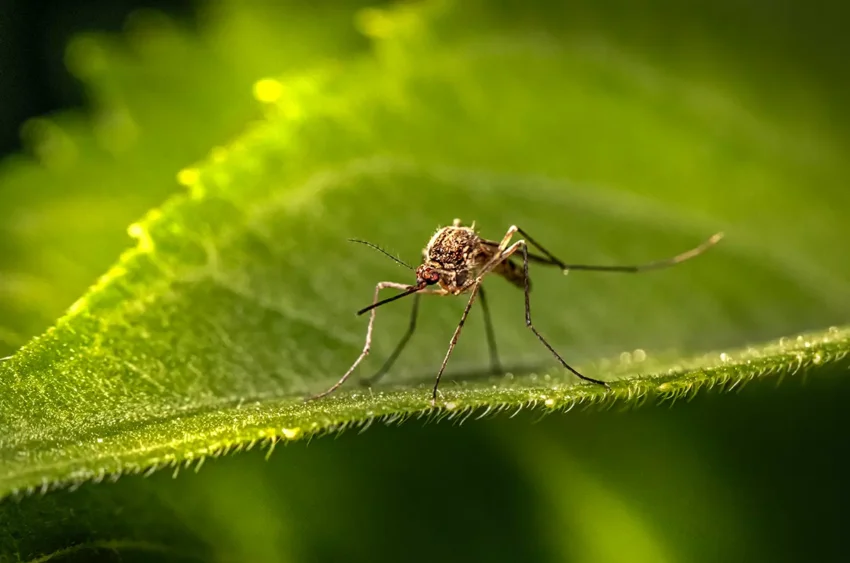
Mosquitoes in Punta Cana
Of course, mosquitoes are present year-round in Punta Cana, as in any tropical region. They’re part of the natural landscape, especially during humid months, but their numbers vary greatly depending on where you stay. Most resorts are regularly fumigated, so guests rarely face more than the occasional bite. Outside tourist zones, however, mosquitoes can be far more noticeable.
In reality, mosquito behavior in Punta Cana depends on both environment and biology. These insects thrive in warm, humid air and become most active at dawn and dusk, especially near vegetation or still water.
These insects are cold-blooded and thrive when temperatures stay above 80°F (27°C), becoming most active in the calm, moist air of early morning and late evening. Once the sun rises, heat and light drive them into hiding.
- For centuries, mosquitoes have been linked to malaria, dengue, and other tropical illnesses. Even when travelers know the actual risk is low, their evolutionary memory equates buzzing with danger – it’s not the insect itself that unsettles people, but what it represents: contamination and discomfort.
- In the modern Dominican Republic, the risk of malaria has fallen dramatically – reports show fewer than 300 confirmed malaria cases nationwide each year.
People also react very differently to bites: some seem invisible to mosquitoes, while others become their main target. In tropical climates like the Dominican Republic, repellent isn’t optional – it’s essential if you know mosquitoes “love” you. A small spray bottle can save a lot of peace (and sleep).
How to avoid mosquitoes in Punta Cana?
The best way to keep mosquitoes from spoiling your Caribbean evenings is simple preparation. Always pack an EPA-registered insect repellent – this ensures safety and proven effectiveness. How much you’ll need depends on your own sensitivity.
- For short outings, a pocket-sized spray containing about 10% DEET or Picaridin is usually enough.
- If you plan to be outdoors at dusk or in rural areas, choose a stronger formula with 20% or more active ingredient to get at least four hours of solid protection.
A few more practical habits make a big difference:
- Dress smartly. Loose, light clothing that covers arms and legs helps prevent bites.
- Check your lodging. Ask about the property’s fumigation schedule, mosquito nets, and screened windows. Most Punta Cana resorts already have robust preventive measures in place.
- Use nets outdoors. If you nap or relax outside in the shade, a light mosquito net keeps you comfortable.
- Mind health details. Save the numbers of nearby medical or first-aid stations in your phone. Allergic travelers should inform their hosts in advance so that extra precautions can be taken.
- Consider private rentals. Villas and apartments with air conditioning and screened doors often provide better control of the environment – and a quieter night’s sleep.
Our villa rentals offer
-
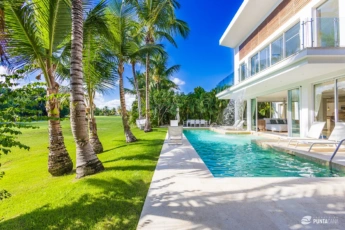
Luxury All Inclusive Villa Waterfall in Punta Cana (Bávaro, Cocotal) – Private Pool, BBQ, Maid, Chef & Meal Plans
from $985 / night View Details -
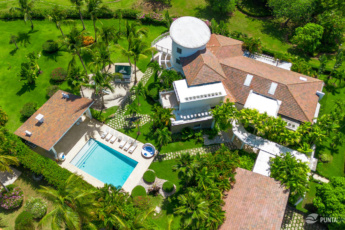
Villa Désirée – Luxury Golf Villa in Punta Cana’s Prestigious Cocotal Golf & Country Club – Huge Private Pool & BBQ Area, Kids’ Playground
from $800 / night View Details -
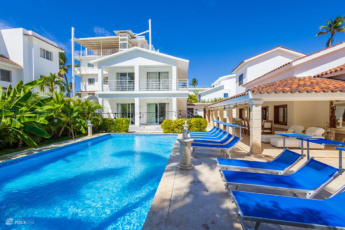
Villa May – New Modern Beachfront 8BR Villa with Pool & Maid in Bavaro, Los Corales
from $974 / night View Details -
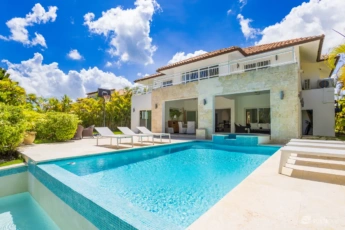
Spacious 4-BR Punta Cana Golf Villa in Cocotal – Private Pool, Jacuzzi & Basketball Hoop for Family Fun
from $525 / night View Details -

Exclusive Ocean View 5-Star Cap Cana Villa for Rent – Chef, Butler, Maid & Golf Cart
from $3240 / night View Details -
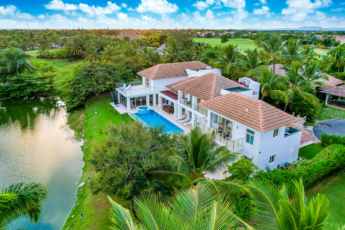
Two Luxury Villas in Cocotal for Large Groups – With Jacuzzi, Pools, Gym
from $2995 / night View Details
The Best Mosquito Repellents in 2026 for Punta Cana
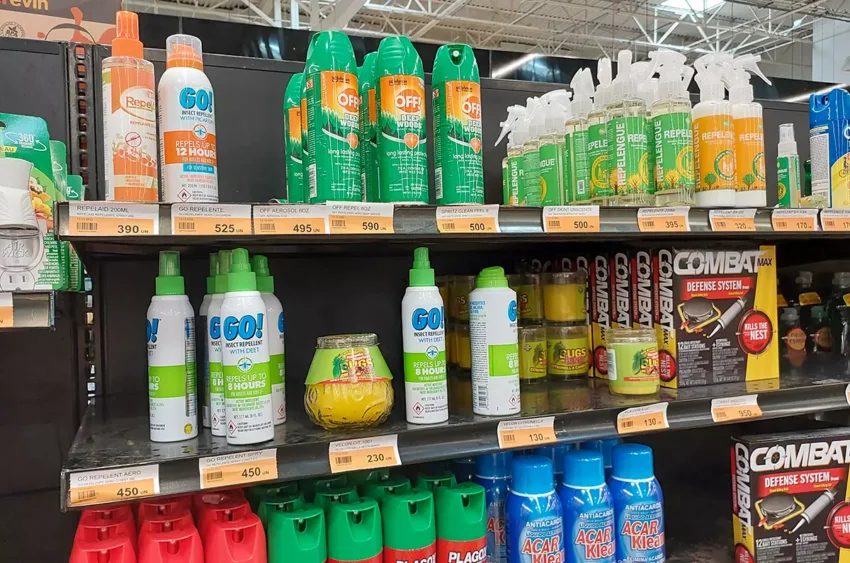
Mosquito Repellents in Punta Cana
Let’s be honest – no one wants to spend their Caribbean evening waving at mosquitoes instead of toasting with a drink. The good news? You don’t need to. Modern repellents are safe, effective, and easy to find, even at local stores like Plaza San Juan in Punta Cana.
All repellents, whether natural or synthetic, work the same way – they block mosquitoes’ ability to smell and taste you. The result: they simply can’t find where to bite.
Synthetic repellents that actually work
If you prefer science-backed protection, look for EPA-registered products – these are lab-tested and safe when used correctly. Among the most effective options are:
Picaridin (Icaridin) – a lab-made cousin of pepper extract that repels mosquitoes, flies, and ticks. It’s gentle on the skin, doesn’t smell strong, and won’t ruin your sunglasses or phone case.
- 5-10% concentration gives 2-3 hours of protection.
- 20% and higher lasts for most of the evening.
DEET – the long-time gold standard since 1957. It’s robust and reliable, though it has a noticeable smell and can damage plastic or rubber if you’re careless.
- 7-10% DEET works for short outings.
- 20-30% DEET provides protection for extended hours.
IR3535 – nearly odorless and used safely in Europe for decades. It works well against mosquitoes, ticks, and biting flies. Just avoid contact with your eyes, as it can irritate.
You’ll find these ingredients in trusted brands like OFF!, Cutter, Sawyer, Avon Skin-So-Soft, and 3M Ultrathon – all available locally for the equivalent of $5-$20 USD.
Natural alternatives to Synthetic repellents
If you prefer plant-based options, know that natural repellents work, but they are effective for shorter periods and require reapplication.
- Oil of Lemon Eucalyptus – protection for about 3 hours, similar to 15-20% DEET. Avoid using it on children under three.
- Citronella oil – a classic, good for mild protection.
- Camphor vapors – can help in small spaces, though it should be used carefully and in ventilated areas.
- Always dilute essential oils in a carrier oil like jojoba or almond before applying to your skin (3-5 drops per ounce).
Prices for repellents in Punta Cana shops range from 300 to 1,200 Dominican pesos, depending on the brand and size. If you have a favorite product, pack it before your trip – some imported brands can sell out quickly during the high season.
Conclusion
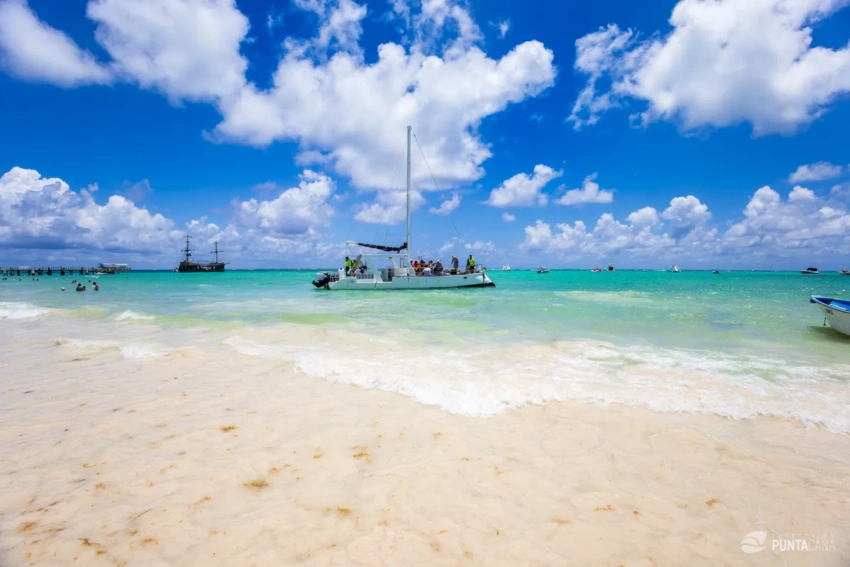
Fall in Punta Cana
Autumn in Punta Cana is a season unfairly labeled as risky – when, in truth, it offers a sweet balance between value, warmth, and experience. The beaches are quieter, the sea stays inviting, and even nature’s quirks – short rains or the occasional mosquito – are just part of the rhythm of the tropics.
Prices drop, resorts have more space, and local life feels more authentic. Whether you come for Halloween nights in cave clubs, serene mornings by the reef, or the joy of saving smart while the Caribbean sun still shines – fall in Punta Cana is where comfort meets curiosity, and every traveler can find their own version of paradise.
Pros and cons of visiting Punta Cana in Autumn
Pros
- Lower Prices: Airfare and hotels can drop by 30-40%, making this the most budget-friendly time to visit.
- Warm Weather: Air temperatures average 29-31°C (84-88°F); the sea stays perfectly swimmable.
- Smaller Crowds: Resorts and beaches are noticeably quieter, with better service and availability.
- Halloween and Local Culture: A unique Caribbean twist on global autumn festivities – vibrant nightlife, themed parties, and relaxed resort events.
- Seaweed Situation: Sargassum levels drop sharply after September; autumn beaches are cleaner, especially around Cap Cana, Catalina, and Saona Islands.
- Nature Still Green: Post-rainy season landscapes are lush, ideal for excursions and photography.
- Affordable Adventures: Group travel and apartment rentals make comfort accessible without luxury prices.
Cons
- Occasional Rains: Short tropical showers still occur, mostly at night or early morning.
- Hurricane Watch: Theoretical risk remains, but actual hits are rare – monitoring apps keep you safe.
- Mosquito Activity: Higher humidity means more mosquitoes outside resort zones; repellents are essential.
- Limited Events: Some entertainment and water activities may operate on adjusted schedules.
- Heat Sensitivity: The combination of humidity and sun can be intense for travelers unfamiliar with tropical climates.
Frequently Asked Questions about
Autumn in Punta Cana
Punta Cana
Which is the best time to go to Punta Cana?
From December to April, the weather is at its best – warm, dry, and calm seas. It’s the high season, so prices rise, but the experience is close to perfect.
What are the bad months to go to Punta Cana?
No such time – its paradise on Earth! August and September can be the trickiest – peak humidity, higher chance of storms, and more seaweed. Still, everobody here enjoys good weather most days.
Does it rain all day in Punta Cana in October?
No. Rain in October usually comes as short, heavy showers – often at night or early morning. Days are mostly sunny and warm.
Is October a good month to visit Punta Cana?
Yes – it’s one of the most cost-effective months. The ocean stays warm, resorts are quieter, and prices drop sharply after summer.
When is hurricane season in Punta Cana?
Officially from June to November, with the highest activity in late August and September. Direct hits are rare, but travelers should still monitor weather updates.
Updated on: . Author: