

What to Bring from the Dominican Republic in 2026 – Prices, Shopping Tips & Customs Regulations
If you’re reading this article, it means the sound of the Caribbean waves is just around the corner. The Dominican Republic has stunning beaches, the rhythms of bachata, and endless all-inclusive experiences. But when wondering what to bring from the Dominican Republic, many tourists make a classic mistake: buying plastic magnets and dubious keychains.
Let’s avoid the platitudes. In 2026, the best souvenir is something with history, local flavor, and real value. We’ve put together a complete checklist of what’s truly worth bringing back from the island.
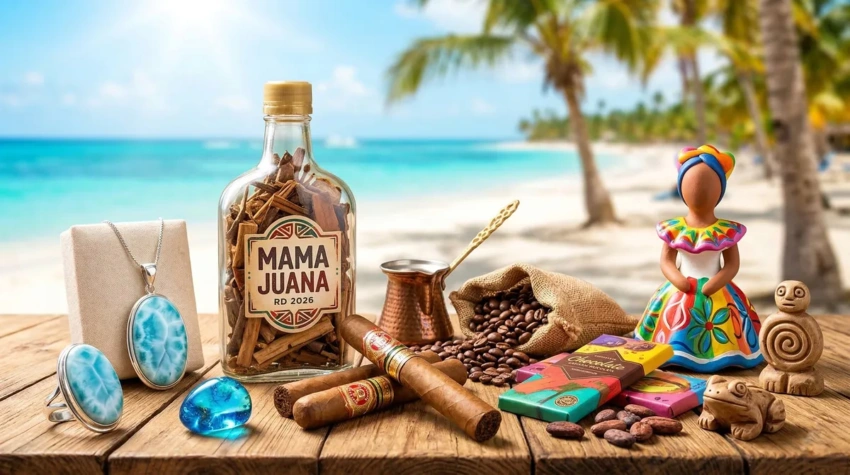
The Complete Guide to the Best Dominican Souvenirs: From Larimar to Rum
Hint! Some of these items may be more than just a memorable trinket; they could be a great investment.
1. Dominican Republic Jewelry Treasures –
What Exactly to Bring in 2026
The Caribbean islands are home to unique minerals that are mined nowhere else on the planet. From a market and financial perspective, purchasing a local stone is a smart investment, as reserves of these minerals are extremely limited.
Larimar – “Dominican turquoise” with a Caribbean soul
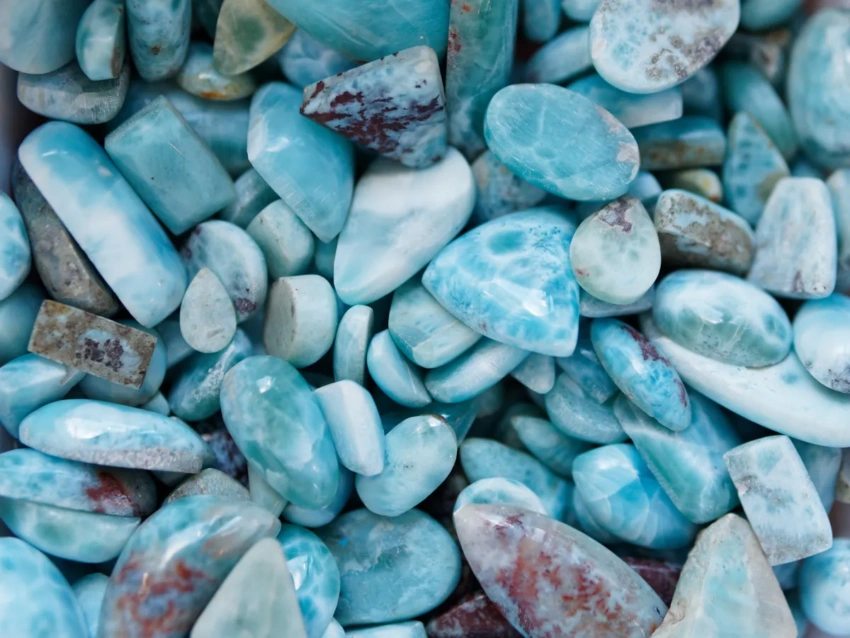
Polished Dominican larimar stones in various shades of blue
This soft blue stone with white veins looks as if frozen sea foam has formed within it. It is often called the “Stone of Atlantis”, or “Dolphin Stone”.
- How it was found. Interestingly, the world only learned about larimar in 1974! Local jeweler Miguel Mendez found the unusual blue stones on the shore and named them, combining his daughter’s name, Larissa, with the Spanish word “mar.”
- Where it is mined. The only place on Earth is the province of Barahona in the southwest of the Dominican Republic. The mines there are still dug by hand.
- Aesthetics. The stone is incredibly photogenic. A silver ring with a large, uncut larimar garners countless compliments and looks stunning in vacation photos.
- Price and quality. The most expensive stones (grade AAA) have a “volcanic blue” color with beautiful white veins reminiscent of sea waves. However, brown iron inclusions make the stone less expensive.
Unfortunately, due to the stone’s rarity, tourist markets are flooded with fakes made of plastic, resin, or dyed howlite.
Blue amber – a time capsule from the Jurassic period
We all know classic Baltic amber, but Dominican amber is in a completely different league. It’s considered the most transparent in the world, and its main advantage is its incredible blue (or light blue) color.
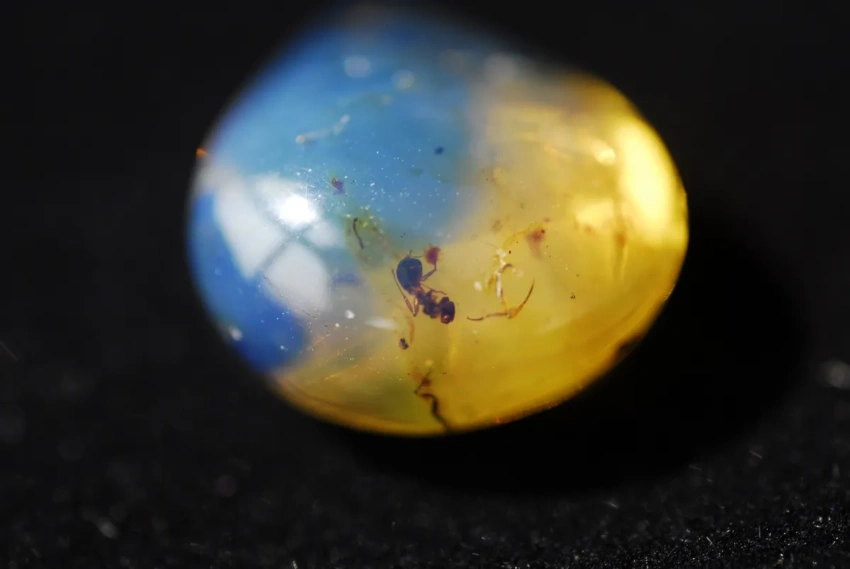
Rare Dominican amber with a frozen prehistoric insect inside
- What’s so magical about it? Under normal room lighting, it appears yellowish or brown. But step out into the bright Caribbean sun or illuminate it with a UV flashlight, and the stone begins to glow from within with a deep neon blue.
- Fact! It was Dominican amber containing an ancient mosquito that inspired Steven Spielberg to create the cult film “Jurassic Park.”
- Prices are sky-high. In 2026, blue amber will break price records due to collector demand. Small pieces (up to 5 grams) cost $20-$60 per gram, while large, high-quality stones sell for over $200 per gram!
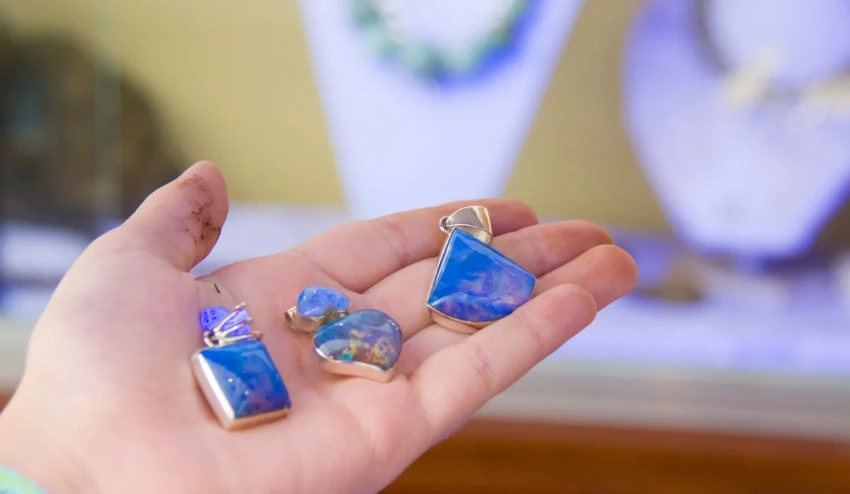
Silver jewelry with unique luminous Dominican blue amber
If you are still deciding what to bring from the Dominican Republic for a special someone, here’s a quick overview of the prices of these precious stones:
Compare prices and features for Larimar and Blue Amber
| Characteristic | Larimar | Blue Amber |
|---|---|---|
| Rarity | High (one deposit in the world) | Extremely high |
| Color palette | From pale blue to deep blue with white | Honey to neon blue (under UV light) |
| Average price (for a silver pendant/ring) | $30-$100+ (depending on the blueness of the stone) | $150-$500+ (the brighter the blue, the more expensive) |
| Who is it suitable for? | For lovers of the sea, silver, and boho style | For collectors and connoisseurs of rare artifacts |
How to avoid being scammed?
In tourist areas, especially in Punta Cana, sly sellers often pass off ordinary plastic or dyed howlite as jewelry. Here’s a quick checklist:
How to distinguish real larimar from a fake
| Sign | Real stone | Cheap fake |
|---|---|---|
| Temperature | Remains cool for a long time when in contact with the skin. | The plastic and resin instantly heat up in your hands. |
| Pattern | Unique “cloud” patterns, smooth color transitions. | Unnaturally bright color, patterns are repeated or look geometric. |
| Hardness | Hard stone, but can be scratched by glass. | If it’s too soft, it’s resin. If it’s too hard, it’s glass. |
| Weight | Feels noticeably heavy in the palm of your hand. | Extremely light (plastic) or too heavy (glass). |
Tip! To avoid counterfeit goods, buy larimar in certified jewelry stores or museums in Santo Domingo.
2. Gastronomic Hits for Foodies –
What to Bring from the Dominican Republic?
Forget boring magnets. Today, the Dominican Republic is transforming its agricultural wealth (sugar cane, cocoa, tobacco) into truly premium products. These are the perfect souvenirs to share with friends upon returning home.
Mamajuana – “Dominican Viagra” and the Elixir of Life
Mamajuana isn’t just a tincture; it’s a national treasure in a bottle. It contains chips of local trees, bark, herbs, and spices.
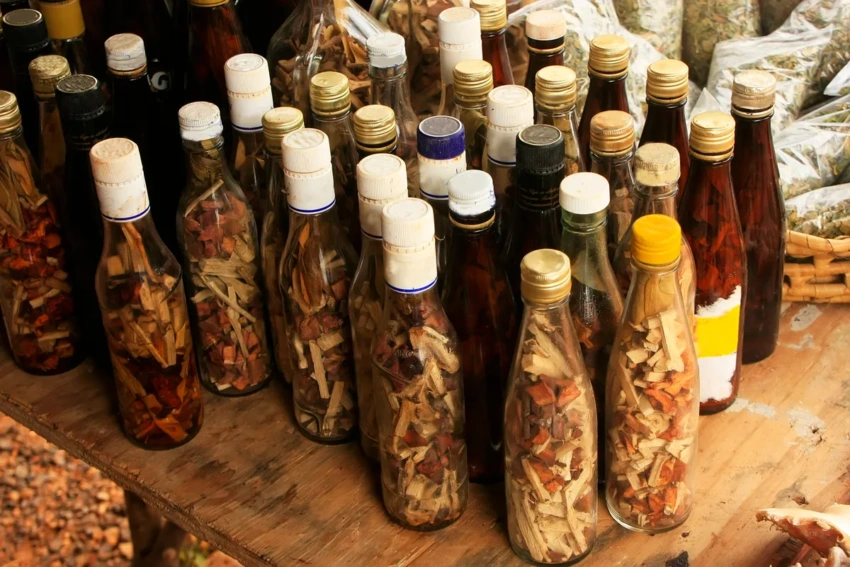
Bottles containing dried bark and herbs for making the legendary Mamajuana tincture
- Legend. The basic recipe for this infusion was developed by the Taino Indians. But the drink gained wild popularity in the 1950s. Locals believe Mamajuana cures everything from colds to a broken heart, and is also a powerful natural aphrodisiac.
- Lifehack of 2026. Never buy ready-made Mamajuana in plastic bottles on the beach! Firstly, it’s unsightly, and secondly, the quality is questionable.
- What to buy? Look for a dry collection (roots) in a beautiful glass bottle or pouch. The main advantage of a dry collection is that it can be refilled with alcohol up to 20-30 times! It’s literally an eternal souvenir that never runs out.
What is Mamajuana made of?
The foundation of Mamajuana is a carefully balanced botanical mix of dry plants. The classic recipe includes a specific set of ingredients that create its unique profile:
- Palo de Brasil (Brazilwood) is responsible for the rich red color and a slight tannic tartness.
- Anamú (Petiveria alliacea) is a plant with proven anti-inflammatory properties that gives the drink an earthy aroma.
- Canelilla (Wild cinnamon) and Clavo dulce (Cloves) both provide warmth, depth, and a spicy sweetness.
- Guayacán (Guaiac wood bark) is a component traditionally credited with strong tonic and aphrodisiac properties.
How to season?
To bring these dry ingredients to life, a liquid base consisting of three components is added to the dry mix: dark rum, red wine, and honey. Each of these liquids plays a vital role in the maceration chemistry:
- Red wine acts as a solvent, effectively extracting the tannins from the bark.
- Dark rum preserves the mixture and boosts its overall alcoholic strength.
- Honey softens the aggressive herbal notes, acting as a natural flavor stabilizer.
Interestingly, in the mid-20th century, to enhance its reputation as a powerful aphrodisiac (earning it the popular nickname “El Para Palo”), sea turtle genitalia were often added to the tincture. Today, however, due to stricter environmental protection laws and the protection of endangered species, the use of animal parts is strictly prohibited and has been completely eliminated from commercial production.
Traditional “seasoning” recipe (save it so you don’t lose it!)
- Fill a bottle of dried bark with natural honey, leaving it 1/3 full.
- Add 1/3 of a good red wine (it will neutralize the wood’s bitterness).
- Fill the remaining third with dark Dominican rum.
- Shake and let it sit in a dark place for a couple of weeks. Done!
Important for customs! If you buy the dry bark in a bottle, be sure to keep the store receipt! Phytosanitary control at the border may have questions about “suspicious” firewood in your luggage.
Cocoa and chocolate: forget regular supermarkets
The Dominican Republic is the world’s number one exporter of organic cocoa beans. Forget the mass-market plasticine! The “Bean-to-Bar” movement is trending. Brands like Definite Chocolate, Choco Punto by Mabel, SPAGnVOLA, and Cacaoteca make full-cycle chocolate right on the island.
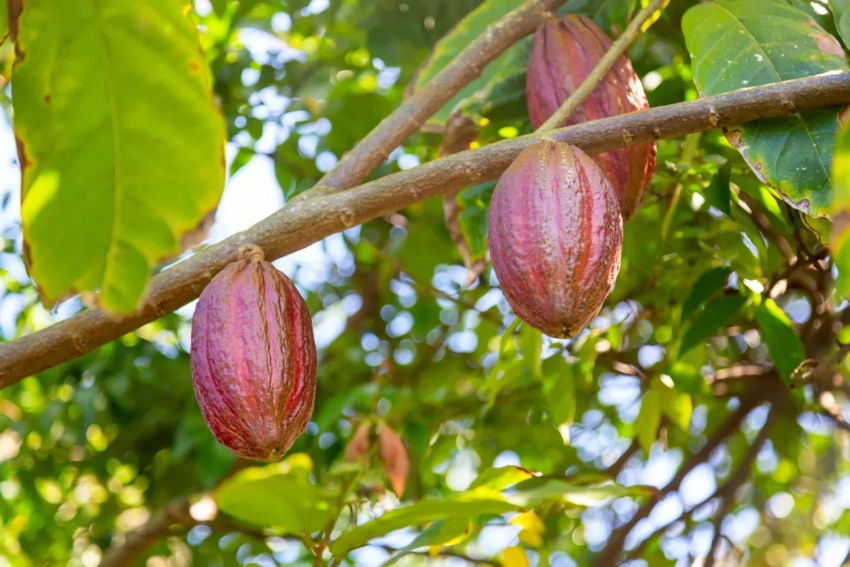
Ripening organic cocoa beans on a plantation in the Dominican Republic
When making a list of what to bring from the Dominican Republic, don’t forget another cool souvenir: traditional cocoa balls (for making thick hot chocolate at home):
- Cocoa balls (Cacao en bola). These are 100% cocoa mass, hand-rolled. Dominicans grate it and make thick hot chocolate with spices (cinnamon, cloves, and nutmeg). They cost next to nothing (about $1-2 per ball), but the flavor is worth a million.
- Craft chocolate. Organic, handmade dark chocolate is trending in 2026. Look for bars with unusual flavors like sea salt, cherry, or local chili pepper (I recommend checking out brands like KahKow or Definite Chocolate).
Dominican desserts that will survive the flight
| Name of the dessert | What is this? | Where to look? |
|---|---|---|
| Dulce de Leche / Dulce de Turey | A thick, chewy fudge made from condensed milk (sometimes with coconut or guava). | It is produced in large quantities in the provinces of Moca and Santiago. |
| Jalao | Balls made from grated coconut, molasses or honey and fresh ginger. | They are sold everywhere. |
| Conconete | Crispy rustic coconut cookies with cinnamon and ginger. Perfect with coffee! | They are sold everywhere. |
| Suspiritos | Classic airy meringue with lemon juice. | Check out the Martín Cruz (Moca) factory – they’ve been making it since the 1930s! |
Dominican sweets are a crazy mix of Spanish techniques and African ingredients. And a list of ideal sweets for transporting is definitely something that will make it easier for you to find something to bring back for friends and family from the colorful Dominican Republic.
Highland coffee – the secret of 10,000 estates
Dominican coffee is renowned for its smooth flavor without excess acidity and a rich chocolate aftertaste. The famous Santo Domingo brand is an excellent classic, but there are other secrets too.
Guide to choosing the perfect coffee:
- The most valuable and richest coffee is grown in the highland regions of Barahona and Jarabacoa.
- Always buy whole beans (en grano). This ensures that it retains its amazing aroma longer.
- Advanced coffee lovers bring green beans from the Dominican Republic to roast at home to their own taste.
Here, 90% of the coffee is organic, grown without chemicals, from high-altitude plantations (Barahon, Cibao region, Bani). Dark roasted Arabica is the dominant variety. Locals love sweet espresso (cafecito).
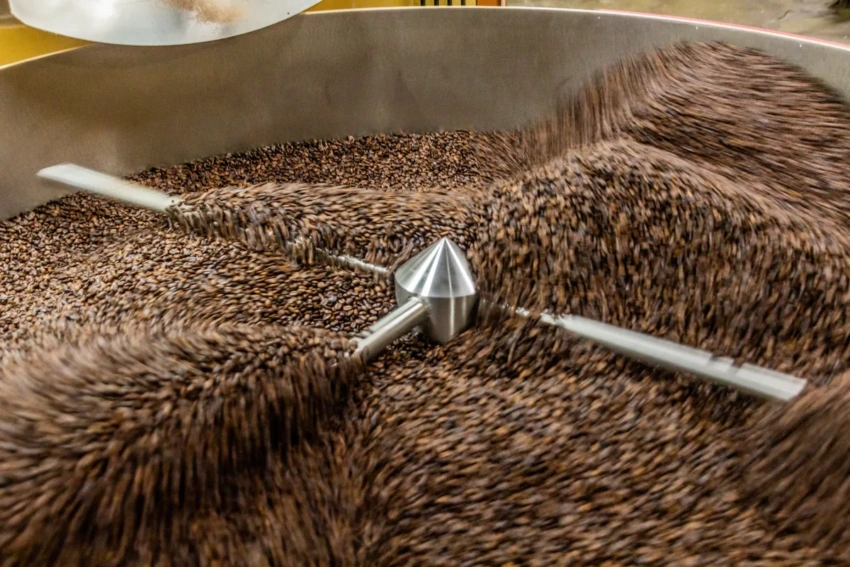
The process of professional roasting of Dominican coffee beans
Besides the popular Café Santo Domingo, be sure to look for premium brands like Monte Real, Don Justino, or products from Atabey Coffee Roasters.
Dominican rum – which one to bring back and how much to pay?
Rum production here is a true religion, founded by three great brands known as the “Three Bs”: Bermúdez (since 1852), Brugal (1888), and Ron Barceló (1930).
The secret of the local spirit lies in its incredible smoothness, achieved through strict distillation procedures and aging in oak barrels previously used for American bourbon. These barrels impart deep notes of vanilla, caramel, and charred wood to the rum.
Here’s a handy chart of aging and prices (by the way, buying rum at large supermarkets like Jumbo is always cheaper than at hotels!):
A cheat sheet for selecting rum in the Dominican Republic in 2026
| Rum category | Medium-term aging | What is it ideal for? | Approximate price (for 0.7 l) |
|---|---|---|---|
| Blanco (White) | 1-2 years | Cocktail base (Cuba Libre, Mojito, Piña Colada) | $10-$15 |
| Añejo (Golden/Dark) | 3-5 years | A golden mean. You can drink it with ice or mix it with cola. | $15-$25 |
| Extra Añejo / Imperia | From 8 to 12+ years | Drink neat, like fine cognac. A fine gift for a boss or collector. | $35-$60+ |
Lifehack. If you’re looking for something exclusive, consider boutique brands like Candela (experimenting with spices) or Matusalem and Cubaney, which have preserved old Cuban traditions.
Customs regulations 2026 (very important!)
- Export limit. In 2026, you can officially export no more than 3 liters of alcohol per adult passenger.
- Packaging. Be sure to check all alcohol in your luggage, wrapping the bottles in clothing first. Liquids over 100 ml will not be allowed in carry-on luggage (the only exception is if you bought rum at Duty Free and they sealed it in a special bag with a receipt).
3. Culture, Beauty, and Smoke: Dominican Souvenirs with a Distinctive Character
Beyond food and jewelry, the Dominican Republic has items that capture the very essence of this Caribbean island.
Dominican Cigars – Cuba’s Main Rival
The debate over which cigars are superior – Cuban or Dominican – has raged for decades. But the fact remains: today, the Dominican Republic is the world leader in the production and export of premium hand-rolled cigars, exporting over 500 million hand-rolled cigars annually.
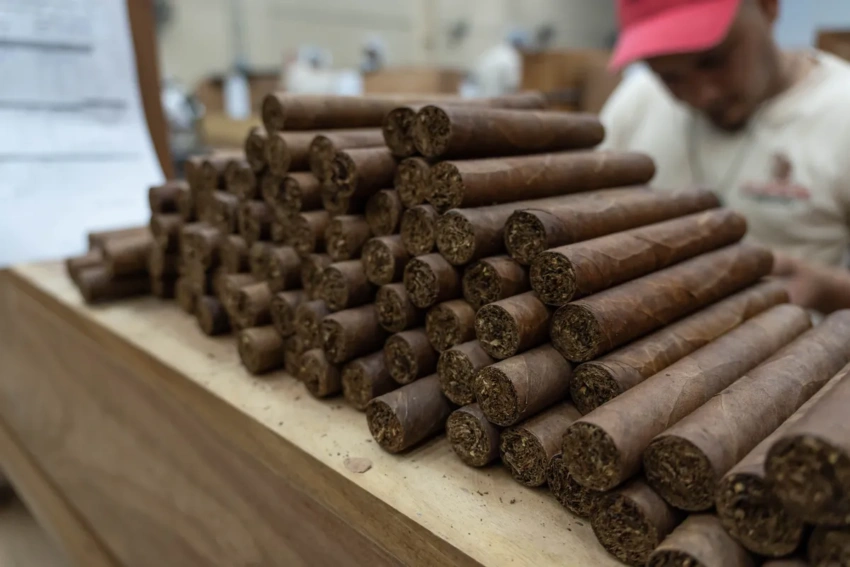
Freshly rolled Dominican cigars at a tobacco factory
It has an ideal climate for tobacco. Moreover, numerous Cuban cigar makers moved here in the last century and brought with them secret techniques.
A sheet on cigar brands and prices in the Dominican Republic
| Cigar brand | Who is it suitable for? | Feature | Approximate price (per 1 piece) |
|---|---|---|---|
| Arturo Fuente | For connoisseurs of premium and status gifts | A worldwide legend, the Opus X line is considered one of the best in the world. | From $15 to $50+ |
| Davidoff | For lovers of impeccable quality | A Swiss brand, but the main factory is located in Santiago, Dominican Republic. | $20-$40 |
| La Aurora | For those looking for a middle ground | The oldest factory in the Dominican Republic (operating since 1903). Excellent balance of price and taste. | $8-$15 |
| Local craft (No-name factory) | For color and to treat friends | You can watch them being spun right in front of you and buy them fresh. | $3-$7 |
The main rule for 2026: when figuring out what to bring from the Dominican Republic: NEVER buy cigars from guys on the beach! 99% of the time, they’re rolled in banana or palm leaves, which are impossible to smoke. Go to specialized shops (Cigar Lounges) or directly to the factories.
Lime dolls (Muñecas Limé) – the nation’s deepest symbol
If you want to bring home not just a trinket, but an object with meaning, be sure to find a ceramic Lime doll. These are girls in bright traditional dresses, holding baskets of fruit or flowers, but… they have no faces.
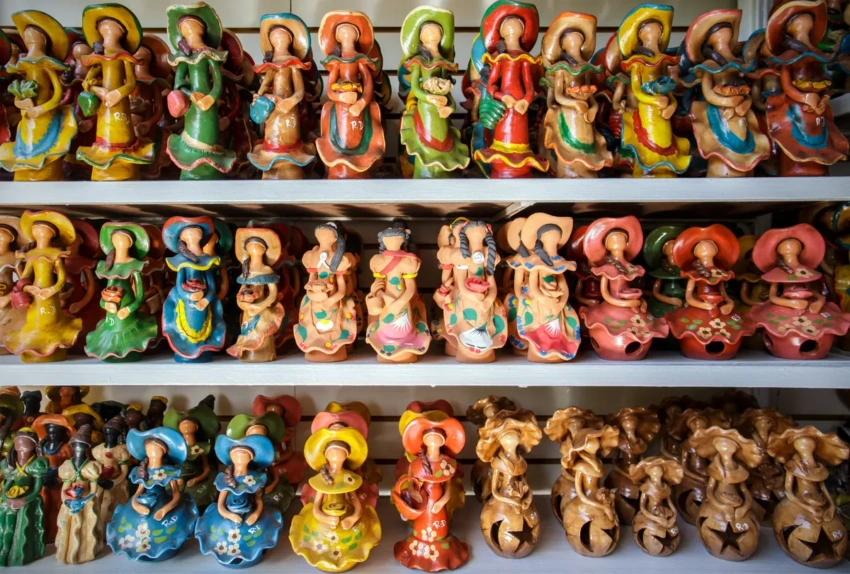
Traditional ceramic faceless dolls (Muñecas Limé) on a souvenir shop shelf
- Why are they faceless? This doll was created by sculptor Liliana Mera in 1981. Dominicans are a melting pot nation, an incredible blend of European, African, and Taino Indian influences. The lack of facial features isn’t the artist’s fault; it’s a symbol of the fact that Dominicans don’t have a single appearance. It doesn’t matter what your eye shape or skin color – what matters is your Caribbean soul.
- Price. $10 to $30 per handmade doll. A gorgeous gift for mom, a friend, or for yourself.
Taino Indian Art: Magic in Petroglyphs
Before Columbus arrived, the island was inhabited by the Taino Indians. Although the tribe disappeared, their visual code still lives on in Dominican handicrafts. If you buy wooden figurines (for example, made of durable guaiac wood) or ceramics, look for these symbols:
- Trigonolito. A three-sided stone, a symbol of the fertility god Yokahu. The Taino buried them in their fields to ensure a bountiful harvest.
- Coqui (frog). A powerful talisman for good luck and a symbol of the continuation of life.
- Spiral. Cosmic energy, the water cycle, and the infinity of life.
Carnival Masks – The Aesthetics of Madness
The Dominican Carnival is the oldest in the Americas (held in February). Local papier-mâché masks are true art objects, coveted by collectors (originals fetch prices between $100 and $350).
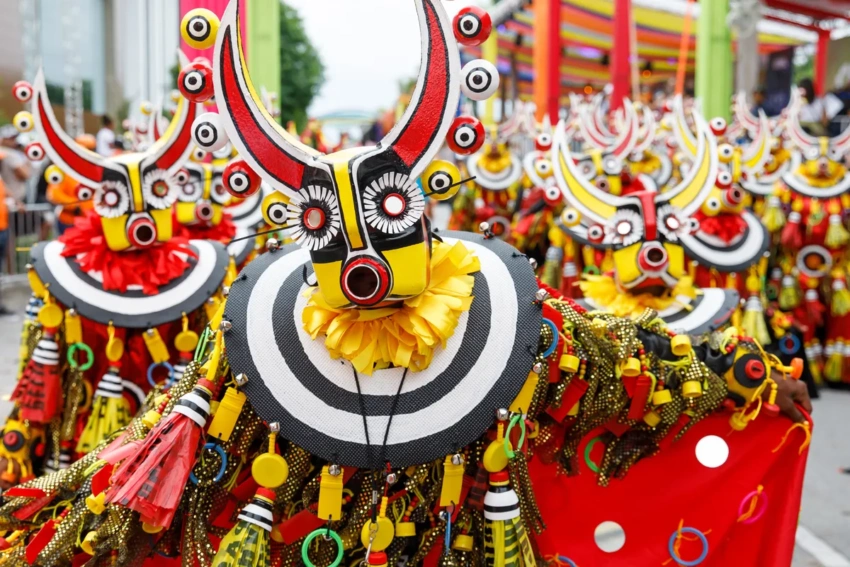
Traditional Lame Devil (Diablo Cojuelo) mask at the Dominican Carnival
The most recognizable is the Diablo Cojuelo (Lame Devil) of La Vega. It’s a huge mask with horns, bulging eyes, and hypertrophied, sharp teeth, painted in bright colors.
Caribbean cosmetics – snail slime and the “whale” myth
Dominican cosmetics are a hidden gem of local shopping. If you are researching what to bring from the Dominican Republic for skincare lovers, women often bring back natural oils and creams by the liter. But let’s examine one popular scam.
- The whale blubber myth. Souvenir shops will actively push creams made from “sperm whale fat (or spermaceti)” (Spermaceti). Spoiler: whale hunting is strictly prohibited by international law! In 2026, reputable brands began selling biomimetic cosmetics under this name, formulated with plant oils (coconut, jojoba) that simply mimic the properties of whale blubber. It’s excellent for moisturizing skin after sunbathing, and no whales were harmed in the process.
- Snail slime cream (Baba de Caracol). Now this one is an absolute hit. Snail mucin is great for healing minor scratches, reducing redness, and fighting wrinkles. Look for brands like Krystal or Anotina (a jar will cost $10-$15).
- Natural coconut oil. Look only for Virgin/Extra Virgin in glass bottles. It’s versatile: you can use it on your hair, body, and even to fry pancakes.
Caribbean rhythm and musical instruments & crafts
The Dominican Republic resonates with the rhythms of bachata and merengue. And you can literally take this sound home with you. If you want to impress your friends, bring some traditional instruments.
- Tambora is a small, double-sided drum of Afro-Caribbean origin. Real tamboras are carved from a single piece of wood, and the drumheads are made from goat skin (“chivo”).
- Güira is a metal cylinder with pimples (perforations) that is rolled with a special scraper-broom. Originally, the Taino Indians made this instrument from dried gourd, but today it’s a stylish metal souvenir.
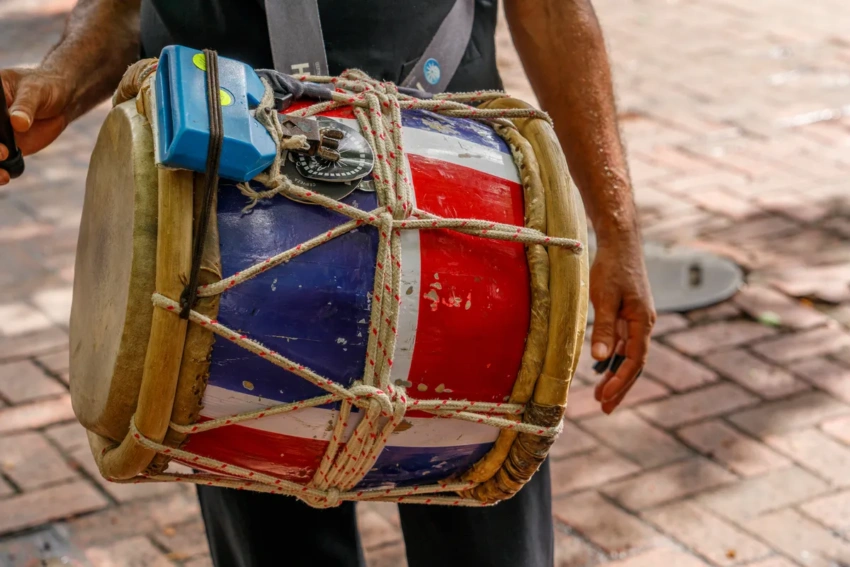
A musician plays a traditional Dominican drum, the tambora
By the way, besides classic mahogany crafts, check out the unique butterflies carved from coconut shells (jícara) by artisans in the city of Moca. This craft has even been recognized by UNESCO!
4. Stop List: What You CANNOT Bring
From the Dominican Republic
To avoid a fine or an unpleasant conversation with customs officials at the Punta Cana airport, be sure to check your luggage. In 2026, eco-control regulations are very strict!
What we take and what we leave on the island
| What are we carrying? | Limit per adult passenger | Important note |
|---|---|---|
| Alcohol (rum, mamajuana) | No more than 3 liters in total. | Anything over 100 ml should be checked in as baggage only. |
| Tobacco and cigars | 25 cigars OR 200 cigarettes OR 200 grams of loose tobacco. | It is better to carry it in your hand luggage in a hard tube or humidor. |
| Cash | Up to $10,000 USD without declaration. | If the amount is exceeded without declaration, there is a risk of confiscation or a 40% fine. |
| Electronic cigarettes (vapes) | No strict limits, BUT… | Carry-on luggage only! If found in luggage (due to lithium batteries), they will be confiscated immediately. |
| Mamajuana (dry mix) | Unlimited for personal use. | Be sure to keep the receipt from the store for phytosanitary inspection. |
Final checklist before the airport
To make your trip back home as comfortable as possible, here are a few things to remember:
- Check your excess baggage (usually 23 kg per suitcase, and rum and coffee weigh a lot!).
- Alcohol should be packed in checked luggage only.
- Don’t forget your E-Ticket! In 2026, a free electronic QR code (e-ticket) will still be required to leave the country. Fill it out on your phone the day before your flight to avoid standing in line at check-in.
Happy shopping and a smooth landing! May your Dominican souvenirs warm your heart until your next vacation!
Final Thoughts
When deciding what to bring back from the Dominican Republic, forget about boring magnets. Choose authentic items with a Caribbean soul: unique larimar, blue amber, high-mountain coffee, artisan chocolate, or the famous Mamajuana.
Just remember the customs regulations. Always pack the rum in your luggage, leave the coral to the ocean, and fill out your e-ticket in advance. May your suitcase be filled with only the best memories!
Frequently asked questions about
what to bring from the DR
How much rum and cigars can you bring from the Dominican Republic?
According to the last regulations, one adult passenger may export no more than 3 liters of alcohol (including rum and mamajuana). Tobacco limits are up to 50 cigars (or 200 cigarettes). All alcohol in excess of 100 ml must be checked in.
Is it possible to export shells and corals?
It is strictly forbidden to export unprocessed corals, starfish, hawksbill sea turtle shells, and large conch shells (lambi). These items are protected by the international CITES convention. Attempting to do so will result in confiscation and a large fine. Small decorative shells are permitted.
Where is the cheapest place to buy souvenirs?
If you want to save money on coffee, cocoa, and rum, go to large supermarkets catering to locals (like Jumbo or La Sirena). For colorful handmade items (rugs, dolls, paintings), head to Mercado Modelo in Santo Domingo, but be prepared to haggle.
Is it true that they sell whale oil cream?
No, it’s a marketing ploy (inverted greenwashing). Whaling is prohibited. In 2026, local brands are selling high-quality plant-based biomimetic cosmetics (made from jojoba and almond oils) under the label “Sperm Whale Oil,” which simply mimic the properties of whale oil.
What is a good gift from the Dominican Republic?
A great gift would be the national Mamajuana liqueur (preferably the dry variety), premium hand-rolled Dominican cigars, or organic coffee from the Barahona region. If you’re looking for a meaningful souvenir, choose the traditional ceramic Muñecas Limé (faceless dolls), symbolizing the local culture.
What gem is only found in the Dominican Republic?
This is larimar, a rare blue variety of pectolite. Its only deposit on the planet is located in the Sierra de Bahoruco mountain range in the province of Barahona in the southwest of the country.
What can you only get in the Dominican Republic?
In addition to larimar, only here can you find genuine Dominican blue amber, which has a unique fluorescent glow thanks to the ancient resin of an extinct tree. Also exclusive are authentic handmade carnival masks (such as the “Lame Devil”) and original Mamajuana recipes.
What jewelry is the Dominican Republic known for?
The DR is famous for its silver jewelry with locally exclusive stones. For instance, primarily rings, bracelets, and pendants with azure larimar. Equally popular are luxurious pieces made with Dominican amber, especially prized for their rare blue amber or stones containing ancient insects (inclusions).
What souvenirs are worth buying?
Be sure to check out the unique stones: blue larimar, mined only here, and the rarest blue amber. Among cultural artifacts, the best choice would be the faceless Lime dolls (Muñecas Limé), symbolizing the Dominican nation, and the Taino carvings. A “dried collection” of bark and herbs for the famous Mamajuana tincture makes a perfect gift.
What food to stay away from in the Dominican Republic?
When it comes to what to take home, categorically avoid fresh fruits, vegetables, and any meat – customs strictly prohibit their export. Only pre-packaged coffee, chocolate, and spices are permitted as souvenirs.
Also, on the island itself, try to avoid buying ready-made Mamajuana or rum in unmarked plastic bottles on the beach, as their quality and ingredients may be unsafe. Always choose certified dry teas with a store receipt.
What products is the DR known for?
The Dominican Republic is the absolute world leader in hand-rolled cigar production, exporting over 500 million pieces annually. The country is also one of the world’s largest suppliers of organic cocoa beans.
Furthermore, the country is well-known for its exceptional organic coffee, grown in the mountains of Barahona and Cibao, and its incredibly smooth aged rums (such as those from the historic Bermúdez, Brugal, and Barceló factories).
Updated on: . Author: